A primer on the workings of a credit card
A primer on the workings of a credit card

Credit cards are a boon in these modern times and there is no denying that. A swipe, a touch, a tap, and everything is paid for (yes, you do pay for what you buy, but not until later.) So, what’s the idea behind these swipes? Who is actually paying for the stuff we purchase? Are credit card companies making money every time we use our cards? These are some of the questions that we’re going to try to answer for you.

What is a credit card?

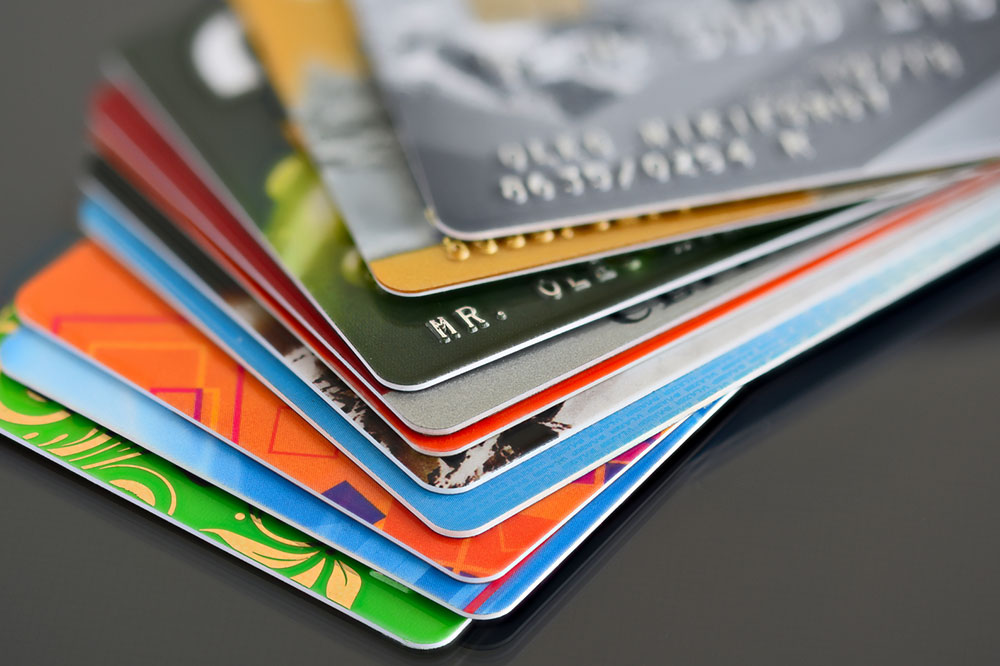
A credit card is a plastic payment card that is designed to provide us with a certain amount of credit. This amount can be used to make purchases. The only criterion is that you have to pay the money back as per the credit card company’s policy. When you pay the money back, the credit is restored to its original limit. In a way, a credit card is like a replenishable loan. You can keep taking the loan as long as you pay the money back within the stipulated time period.

How does a credit card work?

A credit card electronically transfers money from one person’s account to another’s. To do this, there are multiple stakeholders involved, namely the issuer, network, merchant, and user.

When you use your credit card, the merchant’s terminal uses the network to ask the issuer if the card is valid. It then asks whether there is enough credit on it. Depending on this, the transaction is either approved or declined. The money is then transferred from your account to the network and merchant.

How do credit card companies work?

For a credit card to work, there are two backend enterprises: one is the issuer of the card (the credit card company) and the other is the network.

Banks and credit unions are the credit-card issuers. Networks are companies that process credit card transactions. These include companies such as Visa, Mastercard, American Express, and more.

How do credit card companies make money?

One of the key stakeholders in the credit chain is the customer. Without the user, none of the credit card companies would be able to make any money. Below, we enlist three major sources of revenue for credit card companies:

  1. Interest

The customer is charged interest when they default on their payments. Different credit card companies have different rates of interest. This interest is charged on the total amount that has to be paid back to the issuer.

  1. Fees

Fees are essentially charges for using the service provided by the credit card company. They are predominantly divided into annual fees, cash fees, late fees, and balance transfer fees. The annual fee is charged on cards that typically come with high rewards; the cash fee is charged when you use your credit card to withdraw cash from your account; the late fee is charged when the user fails to pay the amount back by the prescribed due date; and the balance transfer fee is an amount charged by the issuer to transfer existing balance from one card to another.

  1. Interchange

While the user pays their dues, even merchants have to pay a certain amount of the money that is received to the issuer. This amount is the processing fee, and it can vary depending on the amount and number of transactions.

Interest and some fees can most definitely be avoided by paying credit card bills on a timely basis.


Featured Articles

Top automated investing services that make investment easy for all
finance

Top automated investing services that make investment easy for all

Automated investing services or Robo advisors are becoming popular by the day, and financial experts around the world only expect to see a surge in their usage. This is because these intelligent services offer one crucial advantage that many investors benefit from: low-cost financial advice. With many top financial services companies jumping in the race to provide customers with the best automated investing services, there are plenty of great options available for every kind of investor. What is a Robo advisor and how much does it cost? A Robo advisor is a digital platform that provides algorithmic-driven money management services that require virtually no human supervision. It does this by collecting client data like financial situation, future goals, and other details through an online survey. This data is then used to automatically manage clients’ assets and provide them with the most suitable financial advice. Robo advisors are immensely cheaper than human financial advisors. Most services only charge an annual management fee that is anywhere between 0.25% and 0.5% of the account balance. Depending on your need, you can even find good Robo advisors that offer services free of charge and low minimum balance value. Top Robo advisors in the market There are several low-cost Robo advisors that you can choose based on your needs and preferences.
Common types of investment advisors you can hire
finance

Common types of investment advisors you can hire

Financial planning is a daunting and technically challenging task. Its execution is more difficult without the help of a professional. And that is one of the main reasons why you should find individual consultants and advisory agencies alike to help guide you for proper compliance with regulatory agencies. It doesn’t matter if you are an individual or own and run a business organization, the following certified professionals rank highly among the best investment advisors in the country, representing your case. Certified Financial Planner (CFP) For a broad range of investment services, you can consult with a Certified Financial Planner. These professionals have a general understanding of all investment and financial portfolios. CFPs help in holistic planning and execution of the financial plan to generate the maximum rate of return by diversifying your investment. Generally, CFPs are qualified to provide sound investment advice for taxation, insurance, estate, and retirement planning. Note that CFPs must take several exams and stay up to date, especially in their areas of specialization to provide certain niche planning and advisory services. Armed with all the technical expertise and the latest know-how about financial services, CFPs rank at the number one position among best investment advisors. Certified Public Accountant (CPA) CPAs are experts in taxes and accounting.
Pros and cons of some of the best retirement investments
finance

Pros and cons of some of the best retirement investments

Investment of any nature and for any goal is always a good idea, apart from saving for your retirement. The rising rate of inflation coupled with reduced pension plans demonstrate the need for retirement-focused investments, which will not just deliver value over an extended period of time. That being said, not all assets are capable of delivering high returns at low risk and have their own set of importance to investor portfolios. To help you make an informed investment decision, here are some best retirement investments and their pros and cons. Cash-balance plans Similar to pensions, a cash-balance plan offers a fixed amount of return at the time of retirement. However, unlike pensions, every employee has a cash-balance account where the lump sum amount is mentioned. Employers credit this account with a set percentage of the employee’s yearly compensation plus interest charges. Pros: A defined-benefit is a major attraction of cash-balance plans. Additionally, you don’t have to pay a single penny for it and yet it offers a tremendous certainty of retirement funds. In case of a job switch, these accounts can be transferred to your new job. Cons: Should you choose to retire early, the plan wouldn’t benefit much.
5 tips to choose the best ETF funds
finance

5 tips to choose the best ETF funds

ETF or Exchange-Traded Funds are a type of mutual funds that trade in stocks, securities and track various indexes. Exchange-traded funds often invest in a broad range of industry sectors and use various strategies to yield maximum returns. One of the biggest advantages of investing in high dividend ETFs is they have lesser fees than other indexed funds, thereby costing you less in taxes. Although ETFs help in diversifying your portfolio, it is important to choose the right funds that compliment your current investments. Here is how you can choose the right high dividend ETF funds. Consider tracking difference One of the factors that set high dividend ETF funds from other market investments is tracking differences; that is, the difference between ETF performance and index performance. The lower the tracking difference, the better the ETF fund. This ensures that the ETF fund is reasonably priced and trackable. Define your investment goals Identify your investment objectives to pick the best ETFs. Ask yourself if you want to invest in companies with specific characteristics, diversify your portfolio, or find a lower-cost alternative to mutual funds. Furthermore, consider how long you plan to invest. Financial experts suggest not investing if you will need the money within the next five years.

Top Articles

5 mistakes to avoid when choosing a business phone system
Business

5 mistakes to avoid when choosing a business phone system

Communication is the lifeblood of any business. In today’s fast-paced business environment, having reliable and effective 8 by 8 CDW phone systems is essential for any growing company. A well-crafted phone system will enhance and improve communication, boost efficiency, and enhance customer service – but selecting the wrong one could result in wasted resources, unhappy employees, and dissatisfied customers. This article will review the top five mistakes to avoid when selecting an enterprise phone system. 5 mistakes to avoid when selecting a business phone system Are you in the market for a new business phone system? Here are five things to watch out for when making your selection. Not considering the needs of the business When selecting a phone system for your business, the biggest mistake can be failing to consider the specific requirements. This could lead to unnecessary features from the system altogether, resulting in a waste of resources or an unsatisfactory experience. Not doing due diligence and research Another mistake is failing to research the available 8 by 8 CDW phone systems options. This could mean missing out on more efficient or cost-effective models or selecting something that doesn’t meet your requirements. It is essential to compare various telephone systems, features, and providers before making an informed decision.
5 common packaging mistakes to avoid
Business

5 common packaging mistakes to avoid

Product packaging is usually the first point of brand interaction with its customers. A product may look good and have high functionality, but customers may not like it unless the packaging is appealing. Apart from aesthetics of the packaging, how sturdy and secure it is in protecting the product from damage is also important. Understanding these factors and knowing some common packaging mistakes to avoid is crucial for a product’s success and the brand’s value. Adding features that are irrelevant to the product Customers are used to a certain kind of packaging for products they have been using for a long time. For instance, jams have always been packaged in glass jars or bottles. These are convenient and keep the product fresh for a long time. But if a brand starts putting jam in wholly different packaging, the customer will find it inconvenient to figure out how to use or open it. They will be put off by the entire product. So, never use packaging that has features that are not relevant to the product. Using the wrong kind of packaging material Many brands often make the mistake of choosing a packaging that is widely popular. However, it is possible that the material used in this packaging is not suitable for the brand’s product.
Key things to know about freight factoring
Business

Key things to know about freight factoring

Freight factoring is one of the most beneficial services for the trucking industry. It helps trucking companies get their payments from their brokers much faster. Doing so ensures they work smoothly without worrying about their outstanding payments. Freight factoring is a critical concept people must understand if they are in the trucking sector. What follows are a few details about freight factoring, like what it is and how it works. What is freight factoring? Freight factoring is a convenient system for trucking businesses. It lets them give their invoices to factoring companies and immediately receive the payment. Without a factoring company, a trucking business would have to wait months or weeks wondering when their clients or customers will send their outstanding payments. A factoring company overcomes this problem. It instantly pays the trucking business once it hands over the invoice to them. Of course, they also charge a small fee for this service. How does freight factoring work? Here are a few details about freight factoring to better understand how the whole process works: First, a trucking business approaches a factoring company for its services. Based on their requirements and business specifics, the factoring company designs a contract for the trucking firm.
5 common shipping mistakes to avoid
Business

5 common shipping mistakes to avoid

Businesses that rely heavily on shipping must steer clear of shipping mistakes as much as possible. Just a minor slip-up can cost a company a lot of money, cause it to lose customers, and lead to unnecessary problems. There are many common shipping mistakes, and since most of these are irreversible, it is best to double-check whether they have been avoided before the load has been sent to the customer’s address. Not using pallets A pallet is the best tool businesses can use when shipping goods to different places around town. It is a flat wooden piece that stores multiple shipping packages. So, when it is time to move the packages, one only has to move the pallet. This significantly reduces the risk of anything getting damaged during the trip. It is also simpler to move a pallet than using a forklift or a pallet jack to move individual packages. Moreover, palletizing the goods prevents them from colliding with each other and getting damaged. Giving an incorrect address Dealing with numerous packages is difficult, especially during crunch time. In such moments, one may make the simple mistake of listing an incorrect address on a box, which can cost the business significantly.