5 Early Bird Black Friday Deals One Can Get Right Now
finance

5 Early Bird Black Friday Deals One Can Get Right Now

Entrepreneurs who want to turn their ideas into full-blown, successful ventures often look for grants to make that happen. As rewarding as applying for a grant can be, many applicants face pitfalls that can diminish their chances of securing funding. Additionally , with many individuals applying for grants , the process has become highly competitive. This also means that aspiring entrepreneurs cannot afford to make mistakes during the application process that could jeopardize their chances of success. Poor research When applying for a grant, one needs to do thorough research on potential lenders, including their priorities and requirements. Applying for grants that are not aligned with the organizational goals, needs, and values should be avoided. As an aspiring entrepreneur, it’s important to steer clear of funding partners with unrealistic or incompatible expectations. Doing adequate research will help increase one’s chances of securing funding. Failing to include supporting documents When one applies for a grant it is important to include supporting evidence to back any business idea. If one is unable to provide the documentation necessary to confirm and validate the proposal, grant reviewers may not consider the application. Not introducing oneself and the venture It is a common mistake to assume that the funder has read about the venture before speaking to the potential entrepreneur.
8 credit card habits to avoid
finance

8 credit card habits to avoid

Credit cards are easy to use and super convenient when used properly. But, these cards can also be devastating to your financial health and can have a negative impact on your credit score if you use them wrong. Poor or irresponsible credit card usage can lead to debt, which can affect your long-term financial stability. Read on to learn about which credit card habit of yours might be doing more harm than good. Not paying your credit bill in full One of the most common credit card habits that will hurt you, in the long run, is not paying your credit card bills in full. Paying only the minimum due or only part of your bill does not really allow you to make any progress on paying off your balance. In fact, in such cases, you are more likely to end up paying more interest. Plus, you are also damaging your credit score and raising your credit utilization. It is a good practice to only spend how much you need and pay off all of it at once. Not checking your statement often Not checking your credit card statement can also lead to trouble. There could be a chance that you forgot about some expenses.
5 mistakes to avoid with flexible spending accounts
finance

5 mistakes to avoid with flexible spending accounts

A flexible spending account (FSA) can be categorized as a savings account. It helps the owner get certain tax benefits. Sometimes also referred to as flexible spending arrangements, FSAs are helpful for health and dental care reimbursements, childcare, or care expenses for a dependent adult. But to get the best out of these, it is essential to learn about potential pitfalls. Here are some of the common mistakes to avoid with FSA. Assuming one can take the FSA with them after quitting a job FSAs work this way: An employee contributes a part of their salary to the fund, and the employer contributes the rest. Therefore, the FSA money stays with the employer once an employee quits a job. Hence, it is usually recommended to use up any pending healthcare expenses when one is planning to leave an employer. For instance, one can fill a prescription or buy eligible OTC products that they may need in the future by using the remaining FSA funds before they quit the job. Not getting to know what the FSA will pay or not pay for Most people are not aware which services and products come under eligible expenses for an FSA. For example, some may assume that gym memberships or insurance premiums can be paid for with a flexible spending account.
Avoid these 4 mistakes to prevent financial fraud
finance

Avoid these 4 mistakes to prevent financial fraud

In recent years, there has been a rise in online financial fraud incidents. Scammers and fraudsters use fake websites, emails, text messages, and phone calls to steal people’s personal data, including bank accounts and social security numbers. They employ various methods to deceive individuals into giving away their valuable private information, all with the intention of stealing their hard-earned money. To prevent financial fraud, here are some mistakes you should avoid. Don’t fall for claims that say you have won a prize One common method scammers use to obtain private information is by posing as representatives of popular brands or organizations. They may claim that you have won a lottery or that someone entered you into sweepstakes and you have won a large sum of money. But to receive this money, you will have to pay a fee. Under this pretext, they might steal your bank account information and siphon off all your savings. Do not fall for calls from scammers pretending to be from an organization you know Often fraudsters pretend to be representatives of the government. They use real names of federal agencies such as the Social Security Administration, Medicare, or the IRS. Some even make up names that sound official.
6 life planning mistakes to avoid for a secure future
finance

6 life planning mistakes to avoid for a secure future

Planning for the future is a long-term process that needs to address multiple factors. The ideal financial planning could help you and your family live stress-free after retirement and in the moment. However, as finances could involve various factors like market conditions, family situations, earning capacity, and mental framework, it is possible to make mistakes. So if you are considering safeguarding yourself and your family financially, here are six planning mistakes you should avoid. Procrastinating the plan Planning isn’t the most exciting topic, and several people even shy away from discussing it. Some common reasons that most people avoid planning are because they have just started earning, do not have much money, or believe they have a plan in their head. However, this could significantly hamper saving in the long run. Therefore, it is imperative to start planning earlier so that you are better able to estimate expenditures and savings. Mixing insurance and investment Investments help earn income, while paying insurance helps with risk management. But many consider the latter a part of their investments. You should note that while an insurance plan could help financially support you and the family during emergencies, it will not add to your wealth.
6 common tax return filing mistakes to avoid
finance

6 common tax return filing mistakes to avoid

Tax return filing is a strenuous process for many people. Although preparing tax returns may feel unpleasant, it is crucial to avoid making mistakes. While mistakes may not necessarily involve an audit from the Internal Revenue Service (IRS), they may invite additional penalties or smaller refunds. Due to these factors, it is imperative to be aware of the common errors people make when filing their tax returns and ensure to avoid them. Not following the latest tax news Changes in tax laws may impact how you file your returns. Therefore, it is essential to keep up with the news. You should know which tax return you are filing and have access to the most current information about the same. For instance, people over 65 qualify to file for Form 1040-SR, while non-resident aliens who earned their income through work efforts in the country during the tax year must file Form 1040-NR. Tax preparation software can help you choose the correct form. Being unaware of your filing status Knowing your tax filing status can help you save time and money. For instance, filing as the head of the household (someone who has a dependent and pays for over 50% of all household expenses) offers more favorable tax rates than filing as a single taxpayer.
7 mistakes to avoid when opening a CD
finance

7 mistakes to avoid when opening a CD

Most experts believe that a certificate of deposit (CD) is a safe and secure investment option that can provide lucrative returns based on the chosen bank. A CD is a type of savings account offered by banks or credit unions, wherein the invested money is parked for a specified period. Investors might incur penalties if they prematurely withdraw from the account. Moreover, avoiding certain mistakes when opening a CD can help one reap significant returns. Not knowing the types of CDs Most individuals believe that all CDs levy penalties on investors in case of premature withdrawals. While the standard CDs result in penalties for early withdrawals, some other ones, called no-penalty CDs, do not charge penalties if investors withdraw from the account before completion of the lock-in period. Moreover, the lock-in period for these no-penalty CDs is usually no longer than one year. However, it is important to check the differences in interest rates between standard and no-penalty CDs and opt for one accordingly. Withdrawing prematurely Withdrawing one’s funds prematurely from standard CDs can prevent one from reaping the benefits of lucrative returns in the long run. For instance, in many cases, one may be charged three months’ worth of interest in case of withdrawal before completion of one year.
Top 5 tax-deductible charity contributions
finance

Top 5 tax-deductible charity contributions

Donating to charities is a meaningful way for individuals to contribute to society and gain personal benefits. Unbeknownst to many, charitable contributions made in the country make an individual eligible for tax advantages, creating a win-win scenario. Contributions like cash donations, non-cash donations like clothing or household items, stocks, etc., can lead to tax benefits. Explore some tax-deductible charitable gifts and donations below to understand how to make a positive impact while enjoying financial advantages. Cash donations Cash donations are one of the simplest ways to contribute to charitable causes and get tax benefits. Cash donations can be made in various ways, including checks, credit cards, or through payroll deductions made by one’s employer. If one is donating cash to qualified public charities, it allows them a tax deduction of up to 60% of their adjusted gross income (AGI) in a year. Furthermore, making cash donations to private foundations allows individuals a tax deduction of up to 30% of their AGI. To claim tax deductions, one must keep records of their donations, such as bank statements, canceled checks, or receipts and acknowledgment letters from the charity. Non-cash donations Besides cash, donating goods such as clothing, furniture, or household items can also yield tax benefits.
Key things to know about burial insurance
finance

Key things to know about burial insurance

Planning one’s own funeral can be challenging and very uncomfortable. Yet, preparing financially for this inevitable event is essential. It alleviates the burden on one’s family and adds to their peace of mind. Getting a burial insurance policy is one way to meet the costs associated with the funeral, burial, and other end-of-life expenses. Read on to learn about the types of burial insurance, the coverages included, and the factors to consider when signing up. Types of burial insurance There are three popular types of this insurance plan: Simplified issue life insurance Individuals do not need to appear for a detailed health examination when applying for this plan. However, they would still need to answer a few health-related questions. The insurance company may not accept one’s application if they have pre-existing health issues or participate in high-risk activities that could be life-threatening. Still, this insurance type is sought-after because of swift approvals and relatively higher coverage amounts. Guaranteed issue life insurance This plan neither requires applicants to answer health-related questions nor appear for a health examination. If the applicant is between 50 and 85, they will likely be approved. However, this policy has a waiting period. Beneficiaries may not receive the full sum assured if the insured passes away due to natural causes during this period.
Top 3 online money-making scams to watch out for
finance

Top 3 online money-making scams to watch out for

Scammers are getting more sophisticated with their scams, thanks to tech innovations and well-designed websites. It has become easier for them to manipulate their targets through fast money-making schemes. Innocent people are not only duped out of their money but also end up sharing their personal and confidential information that can be used against them. Here are a few popular types of scams that people should not fall prey to: 1. Work-from-home scams In 2022 alone, almost 100,000 people across the country were victims of job-related scams. On average, each individual lost up to $200. One such scam is the work-from-home one that involves people receiving emails, text messages, or advertisements about “online jobs” available. In most cases, these job openings are bait for unsuspecting people who are looking for employment. When people click on the link to apply for these vacancies, they are asked to provide personal information and money for the recruitment process. Once people make the payment and give away their personal information, scammers dupe them and escape with their money. Three common types of work-from-home scams are identity theft, financial scams, and manipulative scams. In identity theft scams, applicants are made to reveal their personally identifiable information (PII).

Top Articles

How SBA’s guaranteed loans are beneficial for small businesses
finance

How SBA’s guaranteed loans are beneficial for small businesses

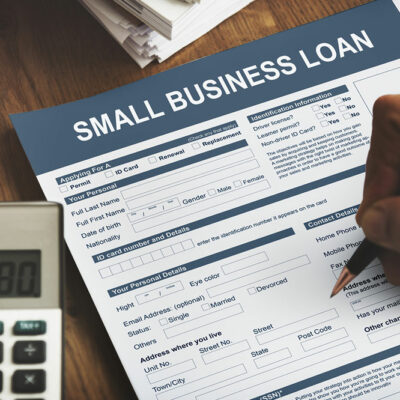
Running a small business during financially turbulent times can be extremely trying. But, monetary aid, specifically small business loans, can definitely make things easier for both the business and its employees. Funded and guaranteed by the federal government, 7(a) loan programs have been designed by keeping business-owners’ best interests in mind. Here are answers to some commonly asked questions regarding small business loans: What is an SBA loan? Loans by the Small Business Administration (SBA) are guaranteed business loans that are given to small businesses by participating lenders. Since these loans are guaranteed by the federal agency, they are much more manageable than those provided by private agencies. SBA loans also have the added advantage of lower interest rates. These loans are available in a broad range in order to suit specific business needs. You can get a loan that ranges anywhere from $500 to $5.5 million to fund your entrepreneurial adventure. Further, the loan can be accessed in the form of fixed assets or working funds. Types of SBA loans SBA loans are available in many types. Some of them include—SBA flagship loans, microloans, SBA disaster loans, and 504 loans, among others. Each of these loans comes with different funding criteria.
Benefits of investing in NNN properties for sale
finance

Benefits of investing in NNN properties for sale

Long-term investments do not necessarily mean that your money becomes inflexible. Instead, you should invest in such a way that you can generate a steady income. To ensure this, you need to invest intelligently by aligning your portfolio to your investment goals. Furthermore, you need to ensure that your returns outweigh your risks. One of the surest ways to ensure this is by investing in NNN properties that are for sale. Continue reading to know more about NNN properties and benefits of buying them. What are triple net(NNN) properties? NNN properties are pieces of real estate that can be leased to commercial franchises or corporations. Here, the tenants undertake all operational and management responsibilities of the property apart from paying rent to the owner. No investment is risk-free; however, investing in NNN properties has proven to be a highly profitable venture for investors. To invest in NNN properties, you must have an accredited net worth of at least $1 million. This value is excluding the value of their residential real estate or $200,000 in income. Other investors who have lower net worths can invest in NNN properties for sale by investing in REITs or Real Estate Investment Trusts. Benefits of buying NNN properties for sale:
Four reasons why a reverse mortgage is not a sound idea
finance

Four reasons why a reverse mortgage is not a sound idea

A reverse mortgage is a loan taken against the value of the home (equity) to meet certain expenses, debt obligations, and even supplement income during a financial crisis. It allows homeowners to convert a part of their home value into cash for expenses and retain the ownership of the property simultaneously. However, reverse mortgage eligibility and feasibility are quite complicated and there are times when it is not a good option, especially for seniors (common applicants for a reverse mortgage) above the age of 60. Here are a few reasons why. Home eligible for inheritance Senior homeowners can benefit from reverse mortgage eligibility only if they can take a loan against their home and repay the same in a timely manner. However, in case the homeowner passes away and the property is inherited by their children, who might not be in a financially sound position to repay the impending mortgage. The inability to do so can result in selling the property to repay the outstanding debt and in the process lose complete ownership. So before taking a reverse mortgage, homeowners must account for the financial status of the people who will inherit the home in the future. Sharing owned property People living on the property are forced to vacate it in case the owner is unable to repay the reverse mortgage.
10 debt settlement companies you can consider in times of crisis
finance

10 debt settlement companies you can consider in times of crisis

Though debt such as student loans, car loans, and mortgage on the house is part of life, it does become a hindrance that affects your savings and future financial goals. As per the Federal Reserve, Americans owe more than $4 trillion in consumer debt, and this number does not account for mortgages. So, if you’re facing crushing debt and want to avoid bankruptcy, you can always engage the help of debt settlement companies. Here is a list of top 10 debt settlement companies that can help you in a financial crisis. National Debt Relief The National Debt relief offers a debt settlement service that lasts for around two to four years and charges a 15% fee. They cover all kinds of debts, including unsecured debts. Freedom Debt Relief With average fees and AFCC accreditation, Freedom Debt Relief is one of the oldest debt settlement companies in the country. They are present in 37 states and have been in operation for over 17 years. Guardian Debt Relief Guardian Debt Relief specializes in working with customers who have a debt of more than $10,000. They usually charge a 20% fee and a monetary fee of $200, which goes into the settlement account.