
Foreign Transaction Fees and What They Cost Travellers

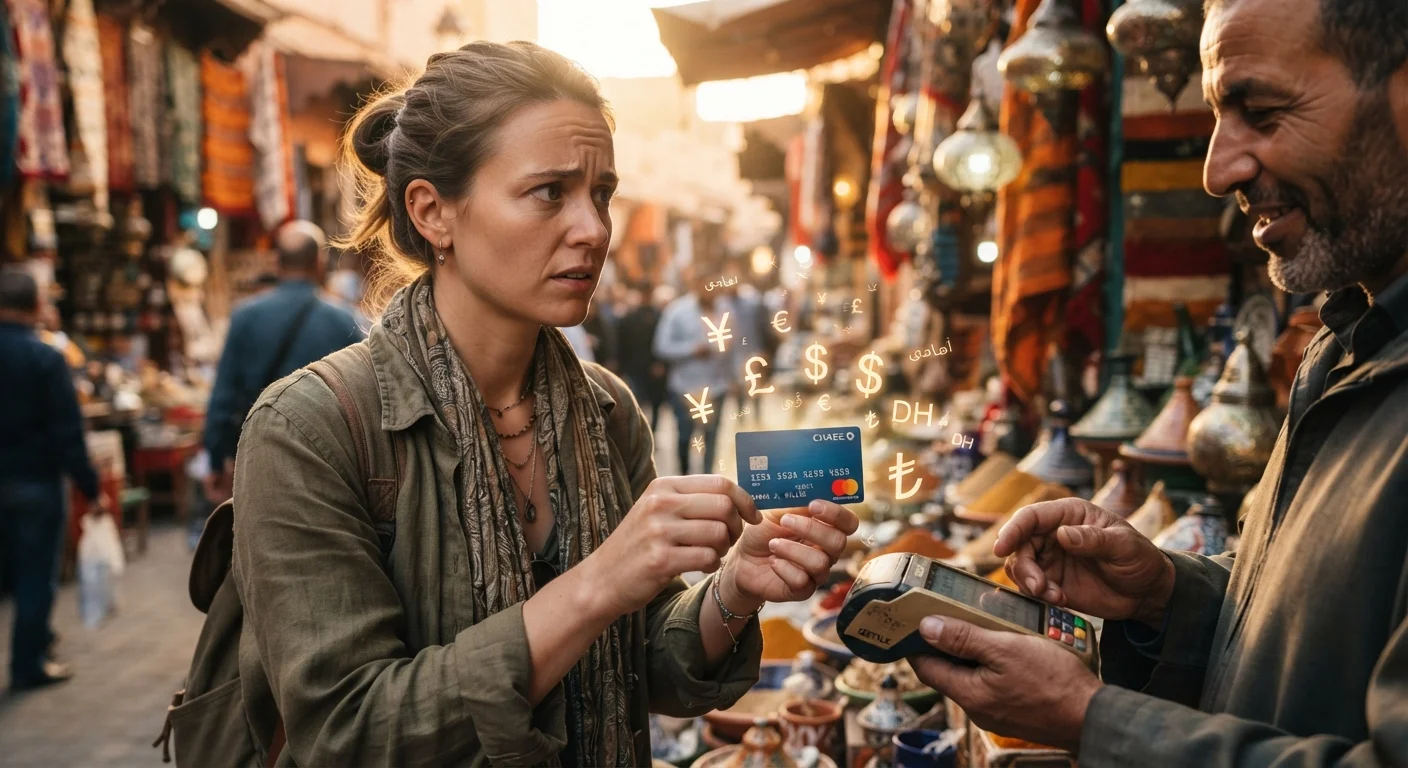
Photo: MoneyOnMind.net | Navigate Money With Clarity editorial
Key Takeaways
- Foreign transaction fees typically range from 1% to 3% of each purchase made in a foreign currency.
- The fee applies both when traveling internationally and when shopping on foreign-based websites from the US.
- The charge is made up of a card network assessment fee plus a markup from your issuing bank.
- Many banks and card issuers offer accounts with no foreign transaction fees - check your cardholder agreement.
- Dynamic currency conversion can add a second layer of cost on top of the standard foreign transaction fee.
- Reviewing your card's fee schedule before traveling is a simple, high-impact step to protect your spending budget.
How Foreign Transaction Fees Work
When you swipe or tap your card at a merchant outside the United States - or on a website whose payment is processed in a foreign currency - your transaction travels through an international payment network before reaching your bank. That cross-border routing triggers an additional charge, which your bank bundles and passes on to you.
The fee is calculated as a percentage of the purchase amount and is added automatically. A $200 hotel stay charged at a 3% fee, for example, costs an extra $6 - small in isolation, but the charge applies to every qualifying transaction throughout your trip. A week of meals, transport, and shopping can push that cumulative cost into meaningful territory.
For a broader picture of how banks structure their fee schedules, see what bank fees are actually charging you for.
1%-3%
Typical foreign transaction fee range
Most standard US bank cards disclose a foreign transaction fee in this range within their cardholder agreements, per widely reported banking industry figures.
~1%
Card network assessment portion
Visa and Mastercard each charge a cross-border assessment fee of approximately 1%, which forms the base of the total foreign transaction fee before the issuing bank adds its markup.
Up to 7%
Potential dynamic currency conversion markup
Consumer advocacy research has indicated that merchants applying dynamic currency conversion may use exchange rate markups ranging from 3% to 7% above interbank rates.
The Double-Layer Problem: Dynamic Currency Conversion
Foreign transaction fees are not the only cross-border cost to watch for. Many international merchants - hotels, restaurants, and car rental desks especially - offer to display your bill in US dollars at the point of sale. This is called dynamic currency conversion (DCC), and accepting it is almost always the more expensive choice.
When you accept DCC, the merchant's payment processor applies its own exchange rate, which is typically less favorable than your card network's rate. Your bank then still processes a cross-border payment, which may still trigger its standard foreign transaction fee. The result: two layers of charges for a single purchase.
Always Choose Local Currency at the Terminal
The straightforward rule: when a foreign merchant asks whether you'd like to pay in dollars or the local currency, choose the local currency. Let your card network handle the conversion.
Checking Your Card Agreement Before You Travel
Foreign transaction fees must be disclosed in your cardholder agreement - typically under a section labeled "Fees" or "Foreign Transactions." Before any international trip, locate that document (most banks provide it through their online portal) and search for the relevant line item.
If your current card charges 2%-3%, consider whether a no-foreign-transaction-fee account makes sense for your travel frequency. Many banks and credit unions offer checking and credit accounts with this fee waived as a standard feature. This is general information only; the right account for your situation depends on your full financial picture, and a qualified financial adviser can help you evaluate your options.
Other fees can compound travel costs in related ways - ATM fees abroad are a common companion charge worth understanding before departure.
Keeping International Spending Costs in Check
Managing foreign transaction fees is largely about preparation rather than in-the-moment decisions. A few practical steps apply broadly:
- Read your fee schedule before departure - know your exact percentage so you can budget accurately.
- Decline dynamic currency conversion at every point of sale, regardless of how it's framed by the merchant.
- Limit unnecessary card transactions by using cash for small purchases where exchange rates are competitive and fees are fixed.
- Check whether your bank reimburses foreign transaction fees - some premium accounts include this benefit.
International wire transfers carry their own separate fee structure, which is worth distinguishing from everyday card spending. For context, wire transfer fees and when banks charge them explains how those costs are applied on both ends of a transaction.
This article is for general informational purposes only and does not constitute personalized financial or banking advice. Fee structures vary by institution and card agreement. Consult your bank's official disclosures and, where appropriate, a licensed financial professional before making decisions based on your individual circumstances.
Frequently Asked Questions
The content on this site is for informational purposes only and is not a substitute for professional advice. Always consult a qualified professional for guidance specific to your situation.