
Disputing an Error on Your Credit Report

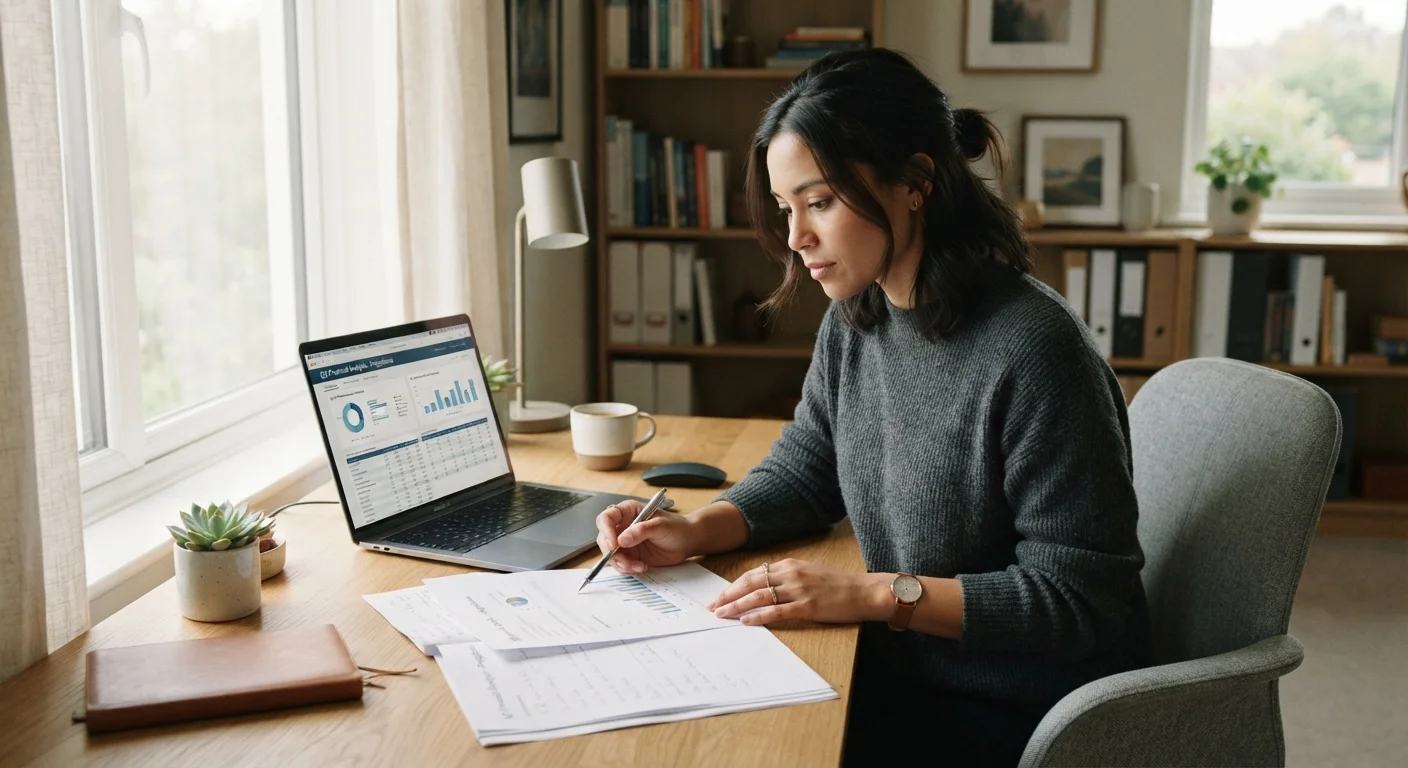
Photo: MoneyOnMind.net | Navigate Money With Clarity editorial
Key Takeaways
- You have a federally protected right to dispute inaccurate information on your credit report at no cost.
- Each of the three major credit bureaus - Equifax, Experian, and TransUnion - must investigate disputes within 30 days.
- Gathering documentation before filing strengthens your dispute and speeds up the resolution process.
- Disputing with the bureau and the original data furnisher simultaneously increases your chances of a faster correction.
- Always follow up in writing and keep copies of every communication for your records.
Why Credit Report Errors Are Worth Fixing
Credit report errors are more common than most people expect. Even a single inaccurate late payment or an account that doesn't belong to you can drag down your credit score, affect loan approval odds, and result in higher interest rates. Because lenders, landlords, and even some employers rely on credit data, the accuracy of your report has real-world consequences.
The good news: the dispute process is free, straightforward, and legally backed. You don't need a credit repair company to do this for you. Before you begin, it helps to be confident about what actually qualifies as an error. Our guide to common credit report myths can help you separate genuine problems from misunderstood entries, and our overview of credit report errors covers what types of inaccuracies are most important to document before raising a dispute.
Your Dispute Rights Are Protected by Federal Law
You'll also want the right tools handy before you start. Here's what you'll need:
What you will need
AnnualCreditReport.com
The only federally authorized site to access your free credit reports from all three major bureaus.
Bureau Online Dispute Portals
Each bureau (Equifax, Experian, TransUnion) offers a secure online portal where you can submit, track, and respond to disputes.
Certified Mail (USPS)
Used when submitting a written dispute by mail, providing a verifiable delivery record.
Document Scanner or Camera App
Used to create clear digital copies of supporting evidence to attach to your online or mailed dispute.
How to Dispute a Credit Report Error
Follow these steps in order. Filing a well-documented dispute the first time reduces back-and-forth and improves your chances of a successful correction. If you've also noticed unauthorized charges on linked bank accounts, the same evidence-gathering discipline applies - our walkthrough for auditing bank account charges outlines a similar approach.
Pull Your Credit Reports and Identify the Error
Request your reports from all three bureaus at AnnualCreditReport.com. An error may appear on one report but not others, so review each one separately. Look for:
- Accounts you don't recognize
- Incorrect account balances or credit limits
- Late payments marked on accounts you paid on time
- Duplicate accounts
- Personal information errors (wrong address, misspelled name, incorrect Social Security number)
Note the exact bureau(s) reporting the error, the account name, and the account number before proceeding.
Gather Supporting Documentation
Your dispute is significantly more likely to succeed when you attach evidence. Collect documents that contradict the error, such as:
- Bank or credit card statements showing on-time payments
- A letter from the creditor confirming the account was closed or paid
- Identity theft reports or police reports (for fraudulent accounts)
- Court discharge documents for accounts affected by bankruptcy
Make copies - never send originals. Label each document clearly to match the disputed item.
File Your Dispute With the Relevant Bureau(s)
You can submit disputes online, by mail, or by phone. Online or mail submissions are strongly preferred because they create a paper trail.
- Online: Use each bureau's official dispute portal. You'll describe the error, select a dispute reason, and upload supporting files.
- By mail: Write a clear dispute letter that includes your full name, address, the account in question, a description of the error, and what correction you're requesting. Include copies of your evidence and send via certified mail with return receipt.
File a separate dispute for each bureau that is reporting the error.
Contact the Original Data Furnisher
At the same time you file with the bureau, consider contacting the data furnisher - the lender, creditor, or collection agency that reported the information. Address your written dispute to the furnisher's customer service or disputes department. Include the same documentation you sent to the bureau. The furnisher is independently obligated under the FCRA to investigate and correct errors they reported.
Track the Investigation and Review the Outcome
Bureaus are generally required to complete their investigation within 30 days (or 45 days in some circumstances). They must notify you of the outcome in writing. Possible outcomes include:
- Corrected: The error is updated or removed.
- Verified as accurate: The bureau found the information to be correct. You can request the bureau include a statement of dispute in your file.
- Deleted: If the furnisher does not respond within the investigation window, the item must be removed.
If corrected, request an updated copy of your report to confirm the change appears.
Escalate if the Dispute Is Rejected Unfairly
If you believe the bureau's decision was incorrect, you have further options:
- File a complaint with the Consumer Financial Protection Bureau (CFPB) at consumerfinance.gov/complaint
- File a complaint with the Federal Trade Commission (FTC)
- Consult a consumer law attorney, particularly if the error caused you demonstrable financial harm (e.g., a denied loan application)
The FCRA gives consumers the right to seek damages if a bureau or furnisher willfully or negligently fails to correct a known inaccuracy. For personalized legal or financial guidance, consult a qualified professional familiar with your situation.
Dispute With the Furnisher Too
This article is for general informational purposes only and does not constitute personalized financial, legal, or credit advice. Credit report dispute outcomes vary by individual circumstance, bureau, and furnisher. For guidance specific to your situation, consult a qualified financial adviser or consumer law attorney.
The content on this site is for informational purposes only and is not a substitute for professional advice. Always consult a qualified professional for guidance specific to your situation.