
Debt Avalanche vs. Debt Snowball: Which Repayment Order Actually Saves You More

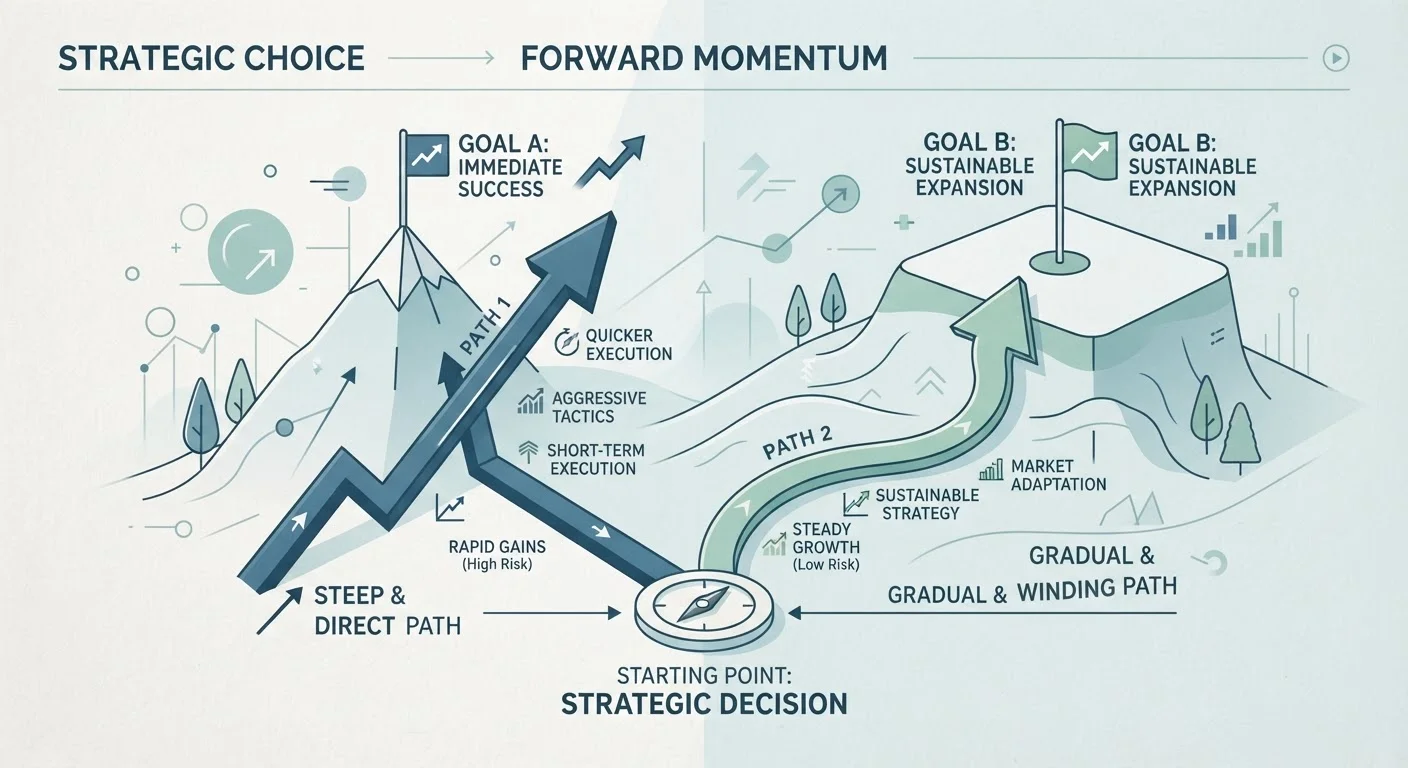
Photo: MoneyOnMind.net | Navigate Money With Clarity editorial
Key Takeaways
- The debt avalanche targets your highest-interest debt first, saving the most money over time.
- The debt snowball targets your smallest balance first, delivering faster psychological wins.
- Both methods require making minimum payments on all other debts while throwing extra money at one priority account.
- The avalanche typically costs less in interest; the snowball typically keeps more people engaged long-term.
- Your financial personality - not just the math - should drive which method you choose.
- Whichever method you pick, consistency and avoiding new debt are the real determinants of success.
How Each Method Actually Works
Both strategies share the same foundation: pay the minimum on every debt each month, then direct any extra money toward one priority account. The difference is entirely in how you rank that priority account.
Debt Avalanche ranks debts by APR - highest interest rate first. Once that balance reaches zero, the freed-up payment rolls to the next-highest-rate debt, and so on. Because you're neutralizing the fastest-compounding debt first, less interest accrues across the full repayment period.
Debt Snowball ranks debts by balance - smallest dollar amount first, regardless of rate. Each paid-off account frees up its minimum payment, which then adds to the attack on the next-smallest balance. The growing "snowball" of freed cash speeds up each successive payoff.
Both methods are covered in depth as part of the complete debt repayment guide, which also walks through how to audit your balances before you begin.
| Criterion | Debt Avalanche | Debt Snowball |
|---|---|---|
| Repayment order | Highest APR first | Smallest balance first |
| Total interest paid | Lower (mathematically optimal) | Slightly higher |
| Time to first payoff | Slower (may take longer) | Faster early wins |
| Motivation style | Data-driven, disciplined | Progress-driven, emotional |
| Best rate scenario | Wide spread between APRs | Similar APRs across debts |
| Complexity | Moderate (requires rate comparison) | Simple (sort by balance) |
| Risk of abandonment | Higher without early milestones | Lower due to quick wins |
The Real Cost Difference - and Why It's Often Smaller Than You Think
The avalanche saves money in interest - that part is mathematically certain. But the size of those savings depends heavily on how different your interest rates actually are. If you carry three debts at 22%, 20%, and 18% APR, the rate spread is narrow and the savings gap between methods may amount to a few hundred dollars over several years. If one debt sits at 27% and another at 9%, the avalanche saves substantially more.
~$1,000+
Potential interest saved with avalanche
Estimates vary widely by debt mix, but Consumer Financial Protection Bureau educational materials illustrate that targeting high-rate balances first can save hundreds to over a thousand dollars on typical multi-debt scenarios.
~30%
Average credit card APR (US, 2024)
Federal Reserve data shows average credit card interest rates climbed to historically high levels by 2024, making the rate-sequencing decision more consequential than in prior low-rate environments.
Higher adherence
Snowball completion rates vs. avalanche
Academic research published in the Journal of Marketing Research found that consumers tend to stay more engaged with debt repayment when they focus on eliminating individual accounts rather than minimizing aggregate interest.
The snowball, by contrast, may cost more in total interest but can cost less overall if a borrower abandons the avalanche after months of paying down a large, high-rate balance without seeing a single account close. Incomplete repayment is always more expensive than a completed plan - even a slightly suboptimal one.
For a broader look at keeping debt from creeping back after payoff, see the habits that undo repayment progress.
Choosing Based on Your Financial Personality
Behavioral finance research consistently shows that motivation and adherence matter as much as the underlying math in debt repayment. A strategy you abandon in month four saves you nothing.
Ask yourself two diagnostic questions:
- How do I respond to slow progress? If you can tolerate chipping away at a large balance for 12-18 months before it closes, the avalanche is viable. If that timeline deflates your motivation, the snowball's early wins are worth their small premium.
- How spread out are my interest rates? Pull the APR from each account's statement. A wide spread (more than 8-10 percentage points between highest and lowest) strengthens the case for the avalanche. A narrow spread narrows the financial gap between methods.
Neither method requires a large income - both work on tight budgets as long as there is some extra cash beyond minimums. Even $25-$50 per month directed at a priority account accelerates payoff meaningfully over time. If building that margin feels impossible, paying off debt while still saving outlines how to structure a budget that creates room for both goals without forcing you to choose.
Hybrid Approach: A Middle Path
This article is for general informational purposes only and does not constitute personalized financial advice. Your individual situation - including income, debt types, and interest rates - will affect which strategy is most appropriate for you. Consult a licensed financial professional before making significant decisions about debt repayment.
The content on this site is for informational purposes only and is not a substitute for professional advice. Always consult a qualified professional for guidance specific to your situation.