
Fixed vs. Variable Expenses: Understanding the Difference

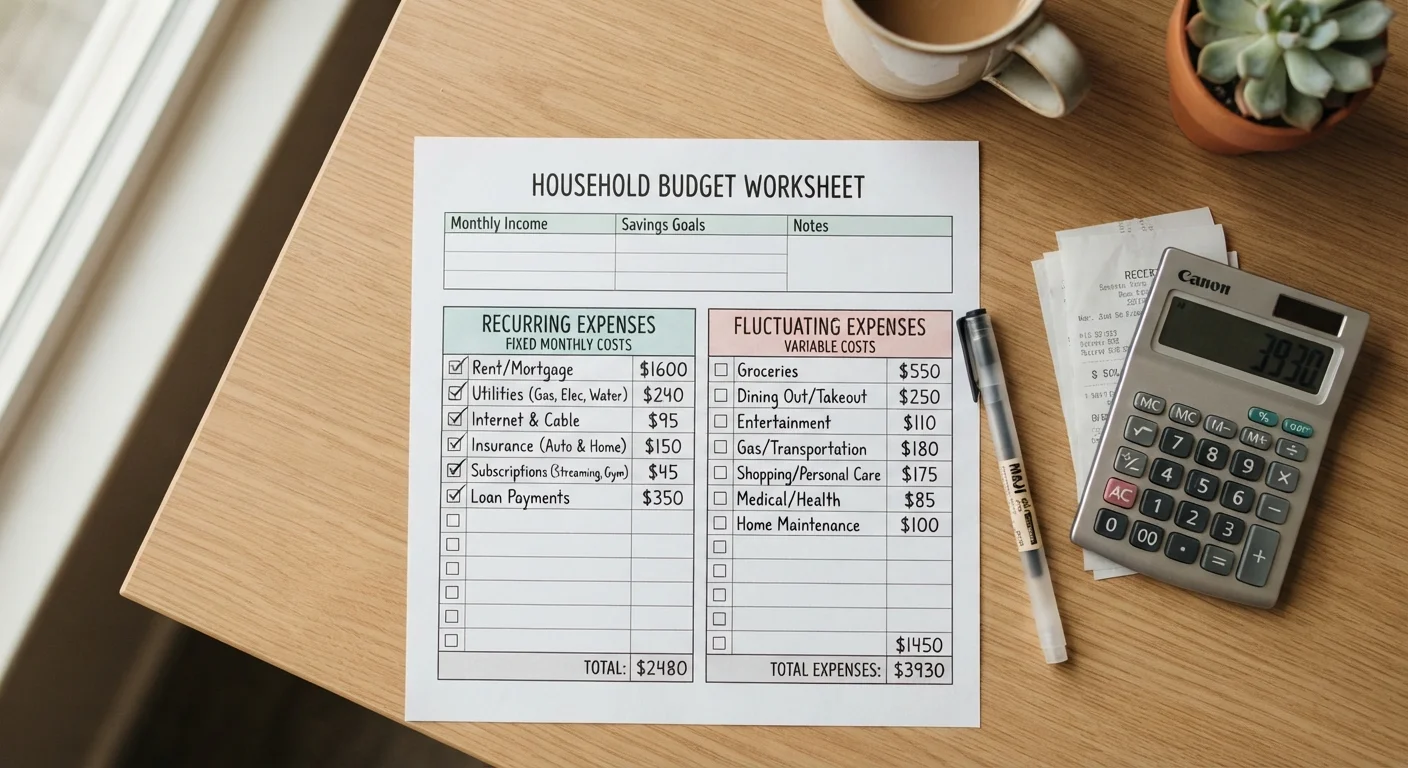
Photo: MoneyOnMind.net | Navigate Money With Clarity editorial
Key Takeaways
- Fixed expenses stay the same each month; variable expenses change based on usage or behavior.
- Knowing which category each cost falls into helps you build a realistic, workable budget.
- Variable expenses offer the most immediate opportunity to reduce spending when needed.
- Fixed costs are harder to cut short-term but can be renegotiated or restructured over time.
- A clear expense map is the foundation for frameworks like the 50/30/20 budget rule.
What Are Fixed Expenses?
A fixed expense is any cost that remains the same from one month to the next, regardless of how you spend your time or energy. Rent or mortgage payments, car loan installments, insurance premiums, and subscription services set at a flat monthly rate all qualify. The amount due does not change based on your behavior - you owe it whether or not you actively use it.
Fixed costs are the backbone of any budget because they are highly predictable. Once you list them, you immediately know the minimum amount of income required to keep your financial obligations current. That certainty is useful, but it also means these costs are harder to reduce quickly. Negotiating a lower rent, refinancing a loan, or canceling a long-term contract all take time and effort. For a deeper look at how fixed repayment structures work in a debt context, see fixed vs. income-driven repayment plans.
What Are Variable Expenses?
A variable expense is any cost that fluctuates month to month based on usage, behavior, or circumstance. Groceries, dining out, gas, utilities, clothing, and entertainment all fall into this category. Spend more, pay more - spend less, pay less.
Variable costs are where most people have the most immediate control over their budget. Skipping a restaurant meal, reducing electricity use, or carpooling can all trim these expenses within a single billing cycle. That flexibility is powerful when you need to redirect money toward savings or debt repayment. However, variable costs can also be the source of budget surprises if they creep upward unchecked - which is exactly why tracking them matters.
| Criterion | Fixed Expenses | Variable Expenses |
|---|---|---|
| Amount each month | Stays the same | Changes with usage or behavior |
| Common examples | Rent, loan payments, insurance | Groceries, gas, dining, utilities |
| Predictability | High - easy to plan around | Lower - requires tracking |
| Short-term flexibility | Low - hard to cut quickly | High - adjustable month to month |
| Budget role | Sets your minimum income floor | Reveals your biggest savings levers |
| Risk of surprises | Low once locked in | Higher if spending goes untracked |
Why the Distinction Matters for Budgeting
Separating your expenses into fixed and variable categories is one of the most clarifying steps you can take when building a budget. It answers two critical questions at once: What must I pay? and Where do I have room to adjust?
Popular budgeting frameworks depend on this distinction. The 50/30/20 rule, for example, suggests directing roughly 50% of take-home pay to needs (largely fixed costs), 30% to wants (often variable), and 20% to savings and debt repayment. Without knowing which expenses are fixed, it is nearly impossible to assign those percentages accurately. For a broader introduction to building a personal budget, this overview of personal budgeting covers the core concepts in plain language.
50%
Recommended share for needs in 50/30/20 rule
The 50/30/20 framework, widely cited by consumer finance educators, suggests half of take-home pay should cover essential, largely fixed obligations.
~33%
Average share of income spent on housing alone
U.S. Bureau of Labor Statistics Consumer Expenditure Survey data consistently shows housing as the single largest fixed expense category for American households.
Understanding expense types also interacts with how you manage your bank accounts. Keeping fixed-expense funds in a dedicated account - separate from everyday spending money - can reduce the risk of accidentally spending money you have already committed to a bill. See chequing vs. savings accounts for guidance on structuring where you hold different types of money.
This article provides general financial education and is not personalized financial advice. For guidance specific to your situation, consult a qualified financial professional.
The content on this site is for informational purposes only and is not a substitute for professional advice. Always consult a qualified professional for guidance specific to your situation.