
Avalanche vs. Snowball: Two Debt Payoff Methods Compared

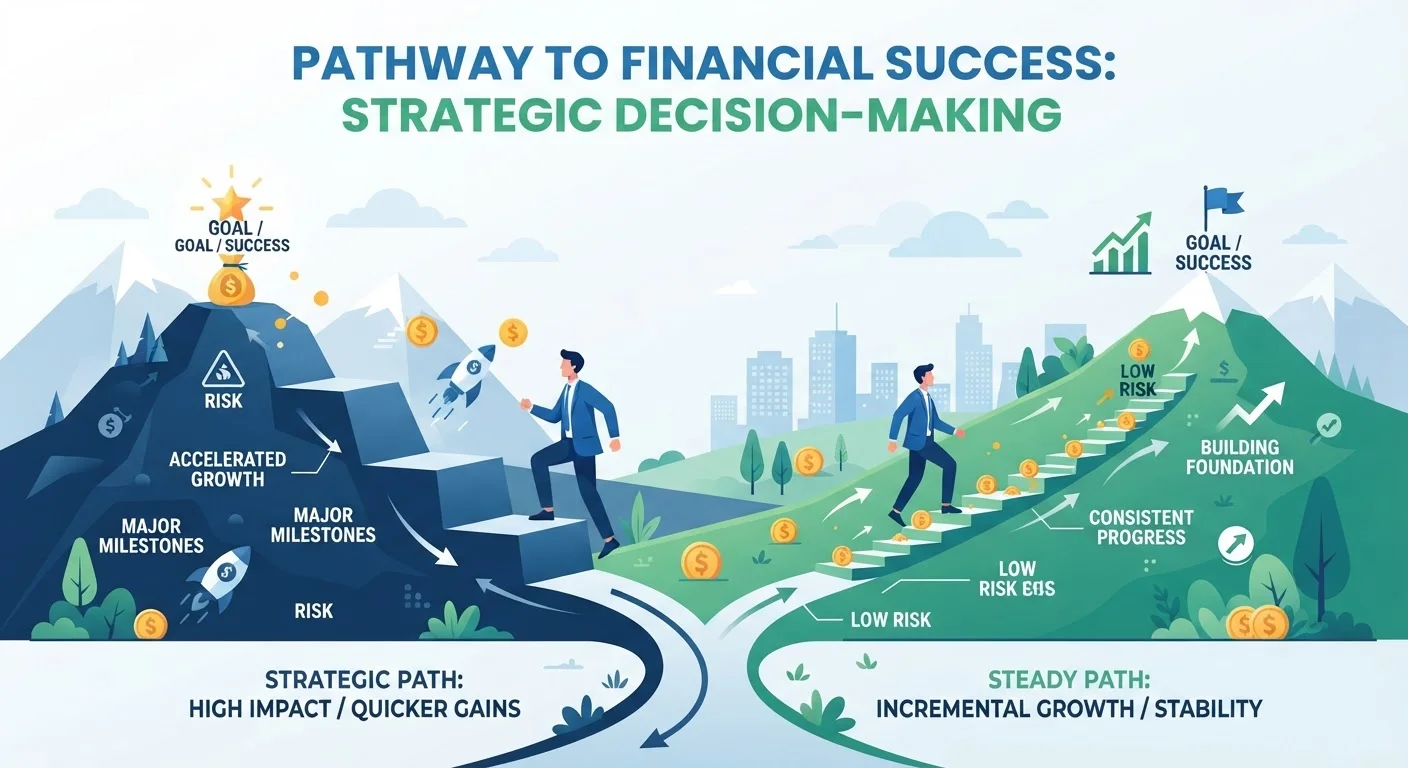
Photo: MoneyOnMind.net | Navigate Money With Clarity editorial
Key Takeaways
- The debt avalanche targets your highest-interest debt first, minimizing total interest paid over time.
- The debt snowball targets your smallest balance first, delivering quick wins that sustain motivation.
- Both methods require paying minimums on all debts while directing extra money to one priority account.
- The avalanche typically saves more money; the snowball typically keeps more people engaged long-term.
- Your choice should reflect both your financial situation and your psychological relationship with debt.
- Consulting a licensed financial adviser can help you tailor either strategy to your specific circumstances.
How Each Method Works
Both the debt avalanche and debt snowball share the same foundational mechanic: pay the minimum on every debt you owe, then direct any additional money you can afford toward one designated priority debt. The difference lies entirely in how you choose that priority.
With the debt avalanche, you rank your debts from highest annual percentage rate (APR) to lowest and attack the top of that list first. Once the highest-rate debt is gone, you roll its payment into the next-highest, creating an accelerating payoff momentum - hence the term "avalanche."
With the debt snowball, popularized by personal finance educator Dave Ramsey, you rank debts from smallest balance to largest, regardless of interest rate. You eliminate the smallest debt first, then redirect that freed-up payment to the next smallest, building a growing "snowball" of cash applied to each successive balance.
Both are structured approaches within the broader debt repayment toolkit, and both outperform making only minimum payments across the board.
| Criterion | Debt Avalanche | Debt Snowball |
|---|---|---|
| Priority order | Highest APR first | Smallest balance first |
| Total interest paid | Lower (mathematically) | Potentially higher |
| Time to first payoff | Slower (if top debt is large) | Faster (small balances cleared quickly) |
| Motivational structure | Long-term, numbers-driven | Short-term wins, momentum-based |
| Best when rates differ by | Several percentage points | One to two percentage points |
| Behavioral completion rate | Lower (requires sustained discipline) | Higher (early wins sustain effort) |
| Complexity | Moderate (track APRs) | Low (track balances only) |
The Real Cost Difference
The avalanche method's primary advantage is financial: by eliminating high-APR debt first, you reduce the amount of interest accruing each month. Over years of repayment, this can translate into hundreds or even thousands of dollars saved - depending on the size of your balances and the spread between your interest rates.
The snowball's trade-off is that lower-rate, larger debts continue accruing interest while you pay off small balances. In practice, this means you may pay more in total interest. However, research in behavioral economics - including studies published in the Journal of Marketing Research - has found that people who use the snowball method are statistically more likely to eliminate all of their debt, precisely because the early wins keep them engaged.
~$1,000+
Potential interest savings with avalanche method
Estimated savings vary widely, but NerdWallet and similar financial education sources illustrate that high-rate debt targeted first can save four figures over a multi-year repayment period.
Higher
Debt elimination likelihood with snowball
Behavioral research cited in academic marketing journals suggests borrowers using a balance-focused approach are more likely to fully eliminate their debt compared to those using interest-rate ordering.
3-5
Average number of debts held by US borrowers
Federal Reserve and consumer finance surveys indicate many American households carry multiple simultaneous debt obligations, making a structured payoff sequence especially important.
The "right" answer depends on whether the gap in interest rates across your debts is large enough to justify the avalanche's slower early progress. If your debts all sit within one or two percentage points of each other, the psychological lift of the snowball may be worth the marginal extra cost.
For strategies that complement either method - such as using a windfall or work bonus to accelerate repayment - see our guide on overpayments and lump-sum payments.
Choosing the Method That Fits You
There is no universally superior strategy. The best debt payoff method is the one you'll actually stick with. A few questions can help clarify your fit:
- How wide is the interest rate gap between your debts? A credit card at 24% APR next to a student loan at 6% makes a strong case for the avalanche.
- How many separate debts do you have? Five or more accounts with small individual balances may make the snowball's early wins especially meaningful.
- What is your track record with financial commitments? Honest self-assessment matters here - choosing a method you'll abandon in month three helps no one.
- How much flexibility does your budget allow? A tighter monthly surplus may make the snowball more manageable, since early payoffs free up minimum payments faster.
You can also find a thorough breakdown in our comprehensive debt repayment guide, which covers everything from organizing your balances to choosing a strategy and staying the course.
Both Methods Require a Stable Minimum Payment Budget
Once you've made real progress, be mindful of the patterns that can erode it. Our article on habits that undo repayment progress is worth reading before you consider your debts nearly settled.
This article is for general informational and educational purposes only and does not constitute personalized financial, tax, or legal advice. Debt repayment outcomes vary based on individual circumstances, balances, interest rates, and financial behavior. Please consult a qualified, licensed financial adviser before making decisions about your own debt repayment strategy.
The content on this site is for informational purposes only and is not a substitute for professional advice. Always consult a qualified professional for guidance specific to your situation.