
Why Grant Applications Get Rejected-and What Can Be Done Differently

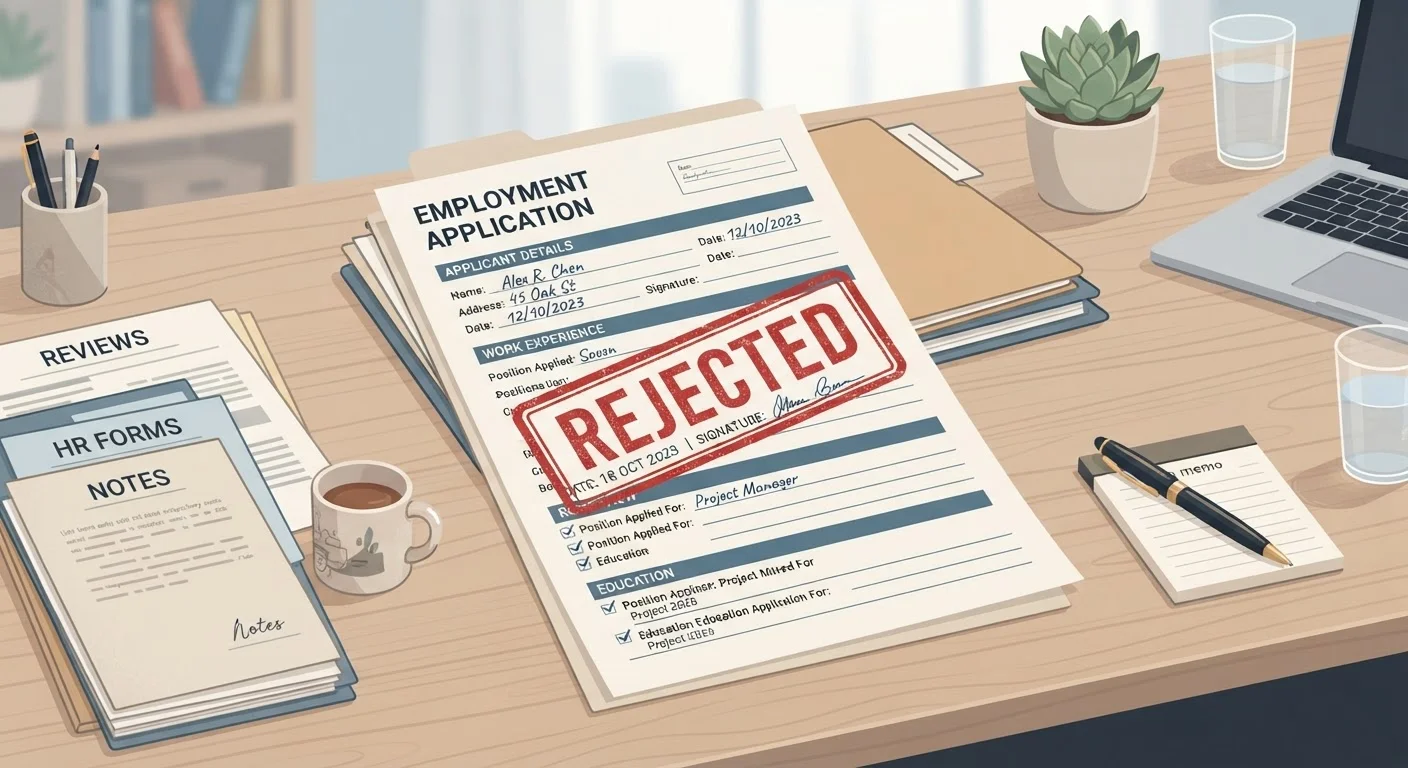
Photo: MoneyOnMind.net | Navigate Money With Clarity editorial
Key Takeaways
- Most grant rejections stem from mismatched eligibility, not poor writing or bad luck.
- Reviewers follow strict scoring rubrics - applications that ignore them rank lowest.
- Incomplete documentation is one of the fastest ways to get disqualified before review.
- Reapplying after requesting feedback significantly increases long-term success rates.
- Tailoring each application to a specific funder's stated priorities is non-negotiable.
Why So Many Solid Applicants Still Get Turned Down
Grant rejection stings - especially when you need funding and believed your case was strong. But rejection rarely means your situation doesn't deserve support. More often, it means the application itself failed to communicate that case clearly, or it didn't meet the program's specific requirements. Understanding the mechanics behind review decisions demystifies a process that can feel arbitrary from the outside.
Grant reviewers typically score applications against a rubric - weighted criteria that include eligibility, narrative quality, budget soundness, and alignment with the funder's mission. An application can have a compelling story and still score below the funding threshold because it missed a required attachment or addressed the wrong priority. The good news: most rejection reasons are correctable. If you've encountered myths suggesting grants are out of reach for young professionals, it's worth reading what's actually holding applicants back before assuming the opportunity isn't for you.
Rejection Is Not Permanent
The Most Common Mistakes - and How to Fix Them
The following patterns appear repeatedly across grant program rejections at federal, state, and private foundation levels. Each one is preventable with the right preparation.
Applying for a grant you do not actually qualify for.
Submitting incomplete or mismatched supporting documents.
Writing a narrative that ignores the funder's stated priorities.
Missing the deadline or submitting close to it without buffer time.
Providing vague or unsubstantiated budget requests.
Never Submit a Generic Application
Beyond these individual errors, a useful parallel exists with other application-based funding processes. Many of the same habits that improve scholarship outcomes - careful reading of criteria, tailored narratives, thorough documentation - apply directly here. Recurring scholarship application mistakes follow a nearly identical pattern, which reinforces how universal these principles are across competitive funding.
This article provides general educational information about grant application processes and is not a substitute for advice from a qualified financial professional or grant consultant. Program requirements vary widely - always refer to official program guidelines for the most accurate and current information.
The content on this site is for informational purposes only and is not a substitute for professional advice. Always consult a qualified professional for guidance specific to your situation.