
Auto Insurance Coverage Levels: Liability, Collision, and Comprehensive Unpacked

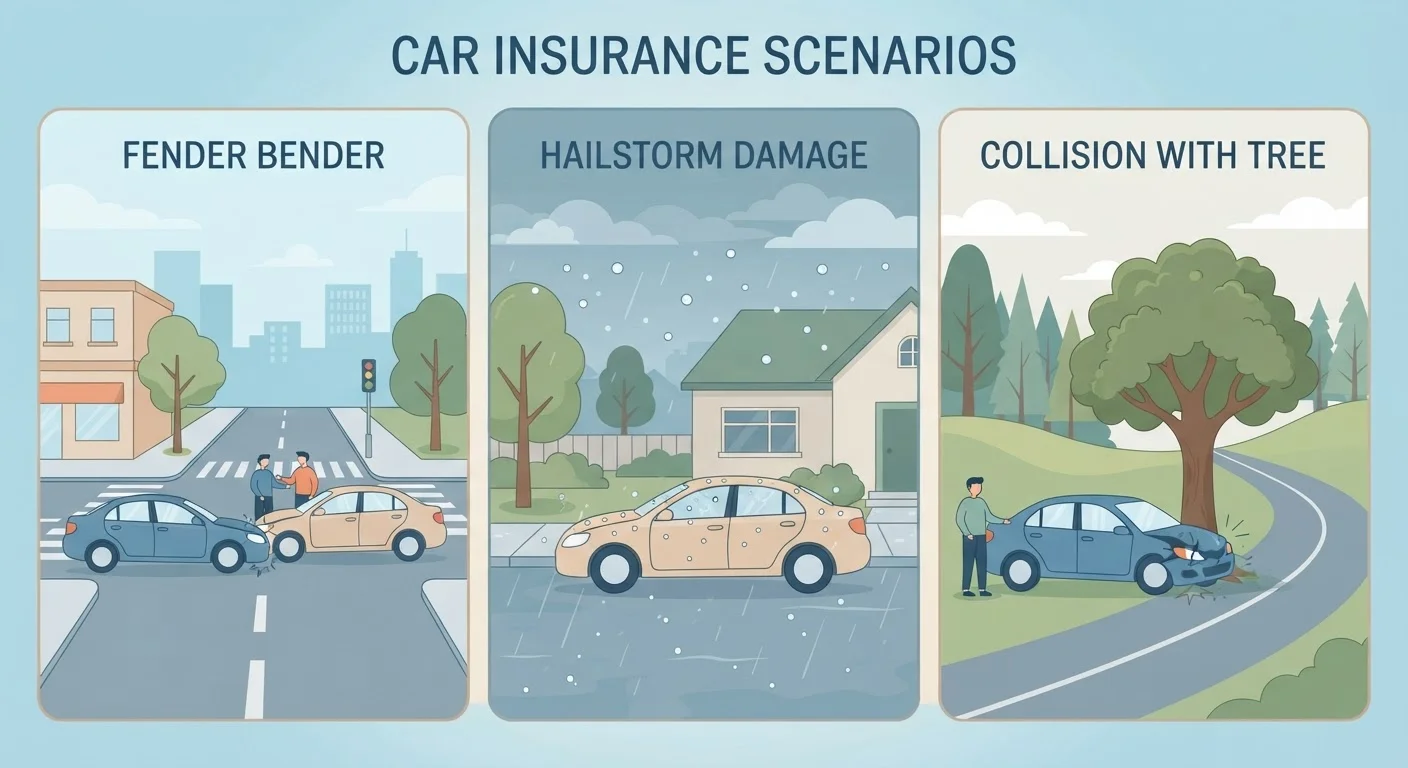
Photo: MoneyOnMind.net | Navigate Money With Clarity editorial
Key Takeaways
- Liability coverage pays for damage and injuries you cause to others - it does not cover your own vehicle.
- Collision coverage pays to repair or replace your car after a crash, regardless of who was at fault.
- Comprehensive coverage handles non-collision events like theft, hail, flooding, and animal strikes.
- Most states legally require liability insurance; collision and comprehensive are optional but often required by lenders.
- Each coverage type carries its own deductible and limit, which directly affect your premium.
Liability Coverage: What You Owe Others
Liability insurance is the foundation of any auto policy and the coverage most states legally require you to carry. When you cause an accident, liability coverage pays for the other party's medical bills, lost wages, and property damage - up to your policy limits.
It comes in two parts: bodily injury liability, which covers physical harm to other people, and property damage liability, which covers damage to other vehicles or structures like fences and guardrails. What liability does not cover is your own vehicle or your own injuries.
State minimums are often insufficient for serious accidents. A multi-car pileup or a pedestrian injury can generate costs that exceed a bare-minimum policy within hours, leaving you personally responsible for the remainder. Many financial advisers recommend carrying limits well above the state-mandated floor - though the right amount depends on your individual assets and circumstances. Consult a licensed insurance agent for guidance specific to your situation.
State Minimums Are a Floor, Not a Recommendation
For a broader look at how auto coverage fits alongside other policy types, see The Four Core Insurance Types Every Young Professional Should Understand.
Collision Coverage: When Your Car Takes the Hit
Collision coverage pays to repair or replace your vehicle after it collides with another car, a guardrail, a parking structure, or even a pothole - regardless of who was at fault. If you are hit by another driver, you can file with your own collision coverage immediately rather than waiting for the other driver's insurer to accept liability.
This coverage is subject to a deductible - the amount you pay before your insurer covers the rest. Common deductible levels range from $250 to $1,500. Choosing a higher deductible lowers your premium but means more out-of-pocket cost when you file a claim.
Collision is optional under state law, but most auto lenders and lease agreements require it for financed or leased vehicles. Once your car is paid off, you can reassess whether the premium cost justifies the payout you would realistically receive, which is capped at the vehicle's actual cash value (depreciated market value) at the time of loss.
~80%
U.S. drivers carrying collision coverage
According to the Insurance Research Council, the large majority of insured drivers opt into collision coverage, particularly those with financed vehicles.
~76%
U.S. drivers carrying comprehensive coverage
The Insurance Research Council has found that comprehensive coverage adoption closely tracks collision, with slightly fewer drivers opting in when vehicles are older or fully paid off.
Comprehensive Coverage: Protecting Against the Unexpected
Comprehensive coverage steps in for losses that have nothing to do with a collision. Think of it as protection against the world outside your control: hailstorms, floods, wildfires, falling tree branches, theft, vandalism, and collisions with animals such as deer.
Like collision, comprehensive carries a deductible and is capped at actual cash value. It is also optional by law but commonly required by lenders. The premium for comprehensive is generally lower than collision because statistically, total-loss weather events are less frequent than at-fault accidents - though this varies significantly by geography.
Drivers in areas prone to severe weather, high vehicle theft rates, or wildlife-heavy roads tend to find comprehensive coverage especially worthwhile. Those with older, low-value vehicles may do the math differently. Understanding what your policy excludes is just as important as understanding what it includes - see What Insurance Actually Covers - and What It Doesn't for a deeper look at exclusions.
Putting It Together: Building a Policy That Fits
Most drivers carry all three coverage types plus additional add-ons like uninsured motorist protection or medical payments coverage. The right combination depends on your vehicle's age and value, your financial reserves, your lender's requirements, and the risks specific to where you live and drive.
A practical starting point: if you cannot comfortably pay to replace your car out of pocket, collision and comprehensive are worth serious consideration. If your car's value is low, recalculate whether annual premiums exceed what you would realistically recover in a claim.
When you do file a claim, understanding the language on your paperwork makes the process far less stressful. Insurance Terms You'll Actually Encounter When Filing a Claim is a useful companion once you reach that stage. For scenario-based guidance on which coverage applies to specific events, Situations Each Insurance Type Is - and Isn't - Designed to Handle.
This article is for general informational and educational purposes only. It does not constitute personalized insurance, financial, or legal advice. Coverage terms, exclusions, limits, and legal requirements vary by provider and by state. Always read your actual policy documents carefully and consult a licensed insurance agent or adviser before making coverage decisions.
Frequently Asked Questions
The content on this site is for informational purposes only and is not a substitute for professional advice. Always consult a qualified professional for guidance specific to your situation.