
Renters Insurance vs. Homeowners Insurance: What Tenants Actually Need

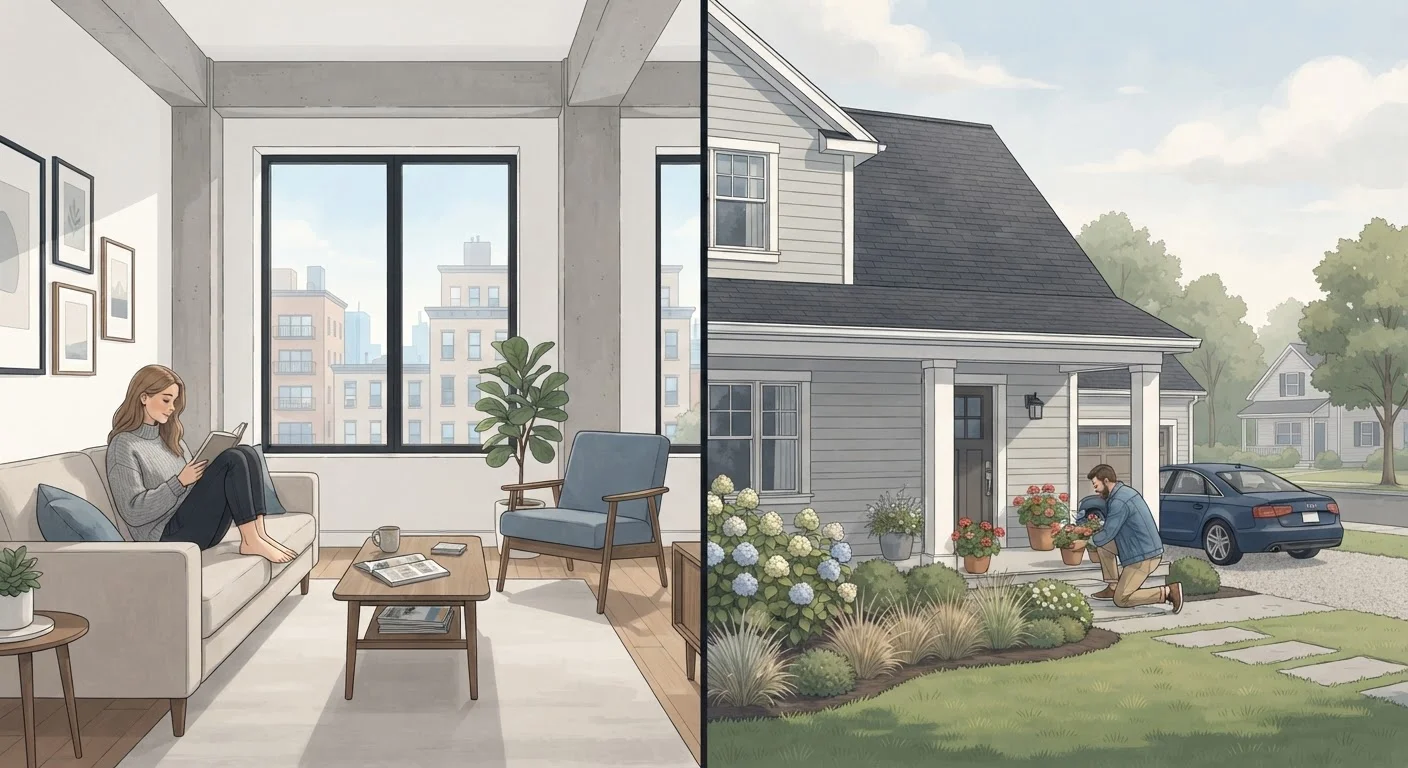
Photo: MoneyOnMind.net | Navigate Money With Clarity editorial
Key Takeaways
- Your landlord's homeowners policy does not cover your personal belongings - ever.
- Renters insurance is typically far less expensive than homeowners insurance.
- Both policy types include personal liability coverage for injuries or property damage you cause.
- Homeowners insurance covers the physical structure of the home; renters insurance never does.
- Renters insurance often includes loss-of-use coverage if your unit becomes temporarily uninhabitable.
- Always read the actual policy document to understand exclusions and coverage limits.
The Core Distinction: What Each Policy Actually Protects
The single biggest misconception among renters is assuming their landlord's insurance policy provides some level of protection for them. It does not. A landlord's homeowners or dwelling policy covers the physical building - walls, roof, plumbing, electrical systems - and the landlord's liability as a property owner. Your laptop, furniture, clothing, and kitchen equipment are entirely outside that coverage.
Renters insurance (typically an HO-4 policy in industry terms) fills this gap. It covers three core areas: your personal property against named perils like fire, theft, and water damage from burst pipes; personal liability if someone is injured in your unit or you accidentally damage someone else's property; and additional living expenses (also called loss-of-use coverage) if your apartment becomes uninhabitable due to a covered event.
Homeowners insurance (most commonly an HO-3 policy) covers all of the above for personal property and liability, but adds a critical fourth layer - the dwelling itself. If a storm damages your roof or a fire destroys your kitchen, homeowners insurance pays to repair or rebuild the structure. For renters, that responsibility belongs entirely to the landlord.
To understand how coverage language works across any policy type, see how to read what you're agreeing to before signing up for coverage.
| Criterion | Renters Insurance | Homeowners Insurance |
|---|---|---|
| Who it's for | Tenants renting a home or apartment | People who own their home |
| Covers the building structure | No | Yes |
| Covers personal belongings | Yes | Yes |
| Personal liability coverage | Yes | Yes |
| Loss-of-use / additional living expenses | Yes | Yes |
| Typical monthly cost range | Generally lower | Generally higher |
| Required by lenders | Sometimes required by landlords | Required by most mortgage lenders |
| Common policy form | HO-4 | HO-3 (most common) |
Cost, Coverage Limits, and What Renters Often Miss
Renters insurance is among the most affordable personal insurance products available in the U.S. market. Because you're not insuring a physical structure - often the most expensive component - premiums are substantially lower than homeowners policies. Homeowners insurance costs more partly because it must account for the full replacement cost of the building, which can run into hundreds of thousands of dollars.
~57%
U.S. renters with active renters insurance
According to the Insurance Information Institute, a majority of renters remain uninsured despite the relatively low cost of coverage.
$1,000+
Average household personal property value (estimated)
Consumer research consistently shows tenants underestimate the replacement cost of their total personal belongings.
3-4x
Cost difference between homeowners and renters premiums
Homeowners insurance typically costs several times more than renters insurance, largely due to structural dwelling coverage.
One area where renters frequently underinsure themselves is personal property limits. Many tenants estimate their belongings at a fraction of their actual replacement value. Walk through your home and tally electronics, clothing, furniture, and appliances - the total often surprises people. Policies offer two reimbursement methods: actual cash value (ACV), which deducts for depreciation, and replacement cost value (RCV), which pays what it costs to buy a comparable new item today. RCV coverage costs more but typically delivers significantly better claim outcomes.
Both policy types carry a deductible - the amount you pay out of pocket before insurance kicks in. Choosing a higher deductible lowers your premium but increases your financial exposure per claim. For a deeper look at what either type of policy typically excludes, including common gaps like flood damage (usually not covered under standard policies), see what insurance actually covers and what it doesn't.
Renters should also explore the full scope of what their policy covers before assuming protection exists. What renters insurance actually covers - and the gaps worth knowing walks through typical inclusions, exclusions, and optional riders in detail.
Flood and Earthquake Damage: A Critical Gap
This article provides general educational information about insurance policy types and is not personalised insurance or financial advice. Coverage terms, exclusions, premiums, and eligibility vary by provider and state. Always read your actual policy documents carefully and consult a licensed insurance agent or adviser for guidance tailored to your situation.
The content on this site is for informational purposes only and is not a substitute for professional advice. Always consult a qualified professional for guidance specific to your situation.