
Building a Long-Term Investment Portfolio from Scratch

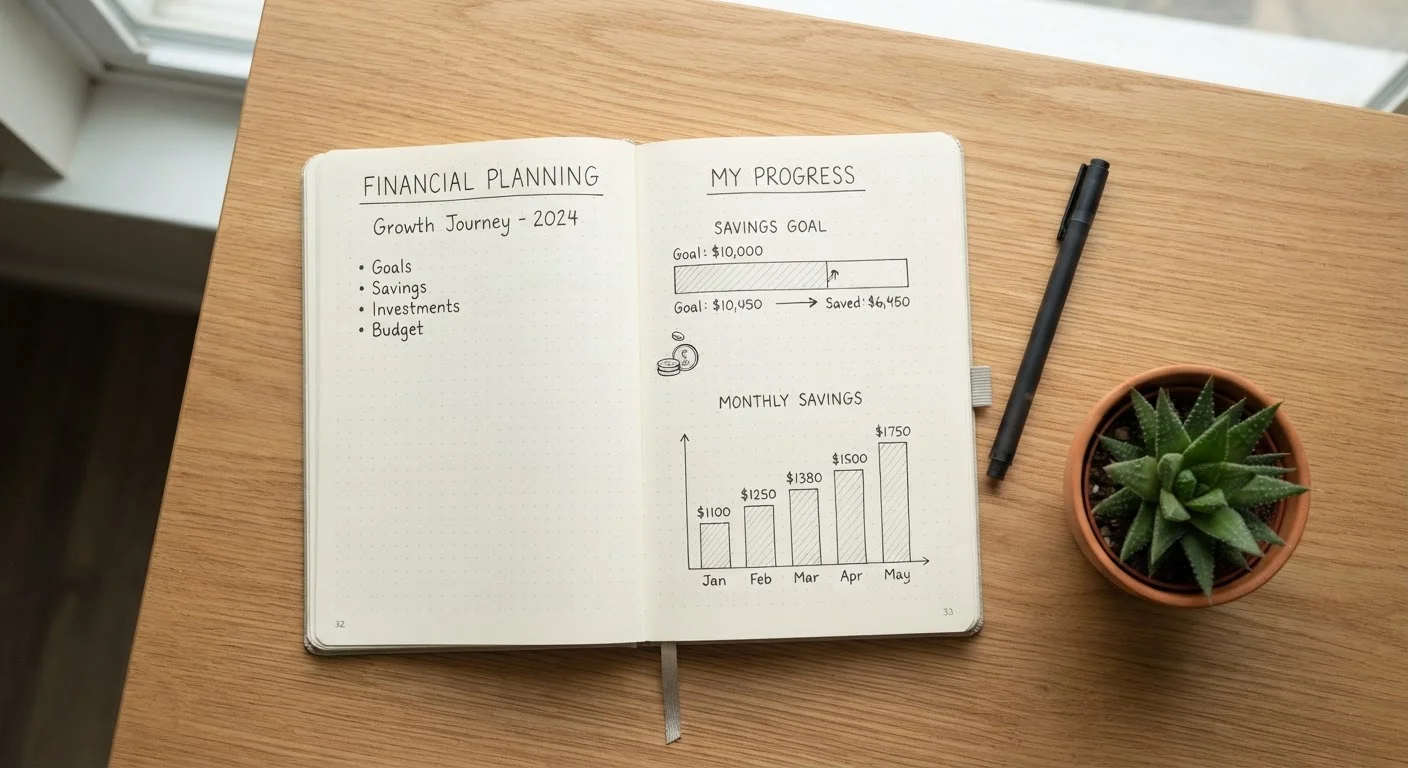
Photo: MoneyOnMind.net | Navigate Money With Clarity editorial
Key Takeaways
- You don't need a large sum to start investing - consistent contributions over time matter more.
- Asset allocation - your mix of stocks, bonds, and cash - is the most consequential early decision.
- Low-cost, diversified index funds are a widely used foundation for beginner long-term portfolios.
- Automating contributions reduces emotional decision-making and keeps you on track.
- Annual portfolio reviews help you stay aligned with your goals without obsessing over daily markets.
Why Starting Simple Is the Right Strategy
Many beginners delay investing because they assume they need sophisticated knowledge, significant capital, or perfect market timing. None of those things are true. The most powerful variables in long-term portfolio building are time in the market, consistent contributions, and low costs - not stock-picking skill or market prediction.
If you are new to the foundational concepts, the Investment Basics hub covers the core ideas you should understand before committing any money. Once you have those basics in place, the step-by-step process below gives you a clear path forward.
What you will need
Tax-Advantaged Retirement Account (e.g., 401(k) or IRA)
Provides a tax-efficient wrapper for long-term investments, either deferring taxes (traditional) or sheltering growth from future taxes (Roth).
Taxable Brokerage Account
Holds investments beyond annual tax-advantaged contribution limits and allows flexible access without early-withdrawal penalties.
Index Funds or ETFs
Offer broad market diversification at low cost, making them a practical building block for a beginner portfolio.
Budget or Cash-Flow Tracker
Helps you identify how much you can realistically invest each month without disrupting essential expenses.
Follow These Steps to Build Your Portfolio
Building a portfolio is a series of interconnected decisions, each one narrowing your choices and giving the next step more clarity. Work through them in order - skipping ahead tends to create gaps that require backtracking later.
This Is Education, Not Personal Advice
Clarify Your Goals and Time Horizon
Before choosing a single investment, define what you are investing for and when you will need the money. Retirement in 30 years demands a very different approach than saving for a home down payment in five. Write down your primary goal, a realistic target amount, and the year you expect to need access to the funds.
Your time horizon directly shapes how much risk you can afford to carry. Longer horizons give your portfolio more time to recover from inevitable market downturns.
Determine How Much You Can Invest
Review your monthly cash flow to find a sustainable contribution amount. A budgeting framework can help you identify spending leaks and carve out a realistic investing line item. Start with whatever you can manage - even $50 a month - and increase contributions as your income grows.
The key is consistency over size. Small amounts invested regularly outperform larger, sporadic lump sums for most beginners.
Choose the Right Account Type
The account you use affects how your gains are taxed, which has a significant long-term impact. For most young professionals in the US, the priority order is typically: employer-sponsored 401(k) up to any employer match, then a Roth or Traditional IRA up to annual contribution limits, then a taxable brokerage account for anything beyond those limits.
Each account type has different rules around contributions, withdrawals, and tax treatment. Review IRS guidelines or consult a tax professional to understand which combination fits your situation.
Set Your Asset Allocation
Asset allocation - the proportion of your portfolio split among stocks, bonds, and cash equivalents - is the single most influential factor in your long-term results. Generally, a longer time horizon and higher risk tolerance support a larger allocation to stocks, which historically offer higher potential growth alongside higher volatility.
A commonly cited starting point for a younger investor with a long horizon is a stock-heavy allocation (such as 80-90% equities), gradually shifting toward bonds as retirement approaches. This is a general concept, not a personal recommendation - your right allocation depends on your specific goals, income stability, and comfort with seeing your balance fluctuate.
Select Diversified, Low-Cost Investments
Diversification - spreading money across many assets so one poor performer doesn't sink your whole portfolio - is a foundational principle of long-term investing. Broad-market index funds and exchange-traded funds (ETFs) achieve diversification automatically by tracking a wide market index. They also tend to carry lower expense ratios than actively managed funds, meaning more of your return stays in your account.
For a deeper look at the principles underlying this approach, see the core disciplines behind sustainable wealth strategies. And if you are carrying any misconceptions about how this all works, common wealth-building myths is worth reviewing before you invest a dollar.
Automate Contributions and Enable Dividend Reinvestment
Set up automatic contributions on a fixed schedule - monthly works well for most people. This approach, known as dollar-cost averaging, means you buy more shares when prices are low and fewer when prices are high, smoothing out market volatility over time without requiring any active decisions.
Also enable automatic dividend reinvestment if your brokerage offers it. Reinvesting dividends compounds your holdings quietly in the background, accelerating long-term growth without any extra effort on your part.
Schedule an Annual Portfolio Review
Once your portfolio is running, resist the urge to check it daily. Markets fluctuate constantly; reacting emotionally to short-term swings is one of the most common ways investors undermine their own results. Instead, commit to a structured annual review to check whether your allocation has drifted from your target, whether your contributions remain on track, and whether your goals have changed.
The Long-Term Investor's Annual Review Checklist provides a structured framework to guide that process each year.
Automate to Stay Consistent
Market Risk Is Real - Plan Accordingly
This article is for general informational and educational purposes only and does not constitute personalised financial, investment, tax, or legal advice. Investment involves risk, including the possible loss of principal. Past performance does not guarantee future results. Consult a qualified financial adviser before making decisions about your own investments.
The content on this site is for informational purposes only and is not a substitute for professional advice. Always consult a qualified professional for guidance specific to your situation.