
What Happens to Your Credit Score as You Pay Down Debt

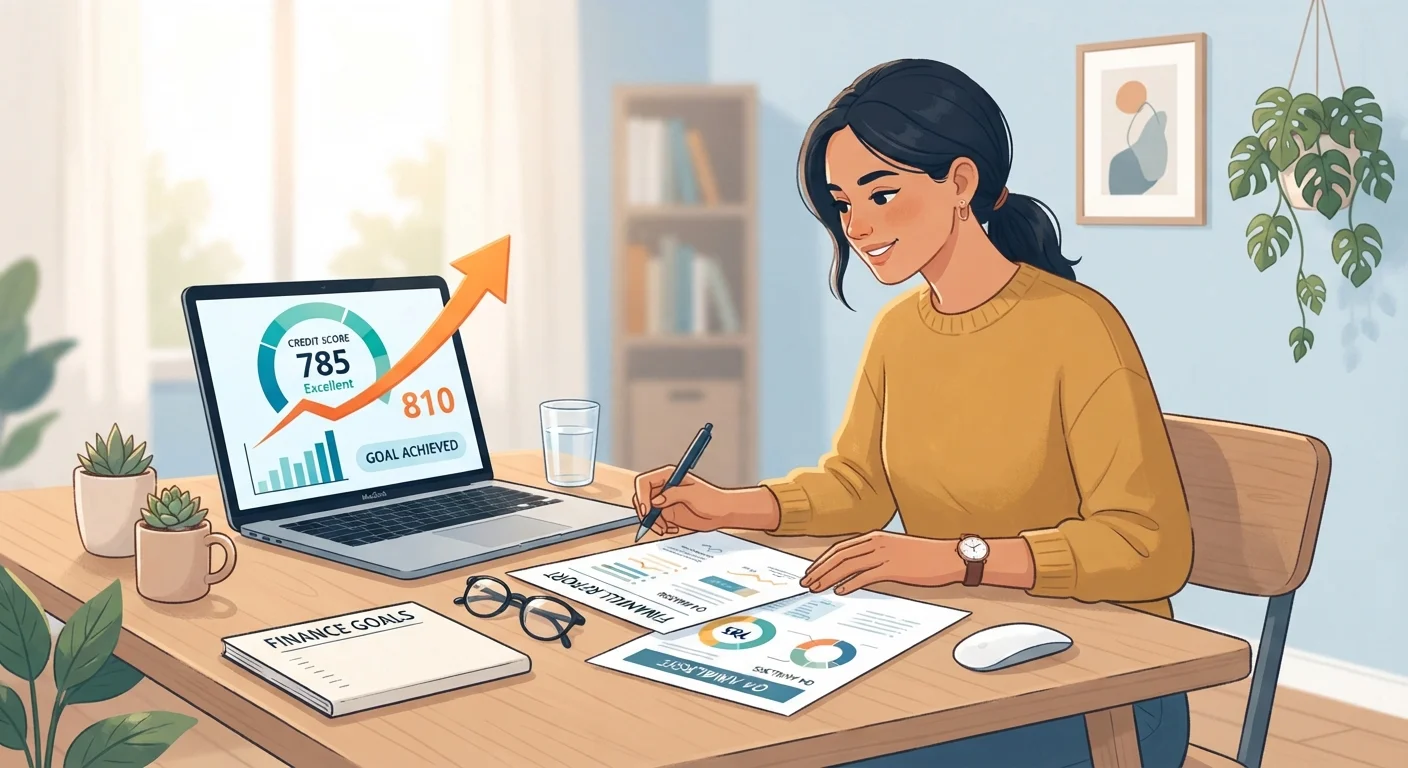
Photo: MoneyOnMind.net | Navigate Money With Clarity editorial
Key Takeaways
- Paying down revolving debt like credit cards typically boosts your score faster than paying off installment loans.
- Credit utilization - how much of your available credit you're using - is one of the most impactful scoring factors.
- Score changes lag behind payments because lenders report balances to bureaus on a monthly cycle.
- Closing paid-off accounts can sometimes hurt your score by reducing available credit.
- Consistent on-time payments build your score gradually even before balances reach zero.
- Consult a financial professional before making major debt decisions that could affect your credit profile.
Why Paying Down Debt Doesn't Always Feel Immediate
Many borrowers expect their credit score to jump the moment they send a payment - and feel frustrated when it doesn't. The delay isn't a flaw; it's how the system is built. Lenders and credit card issuers report your balance information to the three major credit bureaus (Equifax, Experian, and TransUnion) roughly once per month, usually on or near your statement closing date. Until that updated information reaches your credit report, your score reflects the old balance.
This means you could pay down $2,000 of credit card debt and see no score change for three to six weeks. Once the new, lower balance is reported, the scoring model recalculates - and that's when improvement typically shows up. Patience is built into the process.
For a broader look at the full arc of debt repayment, see our comprehensive debt repayment guide.
The Two Types of Debt - and How Each Affects Your Score
Not all debt paydown is equal in the eyes of a credit scoring model. The distinction between revolving debt and installment debt matters significantly.
Revolving Debt (Credit Cards, Lines of Credit)
Revolving accounts have a credit limit you borrow against repeatedly. Your credit utilization ratio - the percentage of that limit currently in use - is a major scoring input. Paying down a credit card balance directly reduces this ratio, often producing a noticeable score improvement once reported. For example, dropping from 75% utilization to 25% on a single card can meaningfully lift your score.
Installment Debt (Student Loans, Auto Loans, Mortgages)
Installment loans have fixed payment schedules and don't factor into credit utilization the same way. Paying them down consistently demonstrates responsible repayment behavior, which strengthens your payment history - the single largest factor in most credit scoring models. However, paying off an installment loan entirely closes the account, which can cause a slight, temporary score dip by reducing your credit mix or account age.
~30%
Weight of 'Amounts Owed' in FICO score
According to FICO's published scoring criteria, amounts owed - including utilization - accounts for approximately 30% of a standard FICO score.
35%
Weight of payment history in FICO score
Payment history is the single largest factor in a FICO score, per FICO's publicly disclosed scoring breakdown.
30-60 days
Typical lag before score reflects new balance
Most lenders report updated balances to credit bureaus monthly, meaning score changes typically appear within one to two billing cycles after payment.
The Score Factors Debt Repayment Actually Moves
Understanding which scoring factors shift - and how - gives you more control over the outcome.
- Amounts Owed (Utilization): The most responsive factor to active paydown. Reducing revolving balances is the fastest lever most borrowers can pull.
- Payment History: Every on-time payment strengthens this factor over time, even before total balances reach zero. Consistency matters more than speed.
- Length of Credit History: Paying off and closing accounts can slightly reduce your average account age, particularly if the account is relatively new or among your oldest.
- Credit Mix: Scoring models reward having a variety of account types. Eliminating your only installment loan can narrow that mix.
Be cautious about closing paid-off credit card accounts - doing so reduces your total available credit and raises your utilization ratio on remaining cards. This is one of the subtle habits that quietly erode a good credit score without borrowers realizing it.
Keep Paid-Off Cards Open When Possible
What to Expect at Each Stage of Paydown
Credit score improvement from debt repayment isn't linear. Here's a general pattern most borrowers experience:
- Early stage: On-time payments begin building payment history. Score may stay flat or rise modestly.
- Mid-stage: As balances drop below key thresholds (especially under 30% utilization), more noticeable score gains appear.
- Payoff stage: Eliminating revolving balances can produce meaningful score jumps. Closing an installment account may cause a brief, minor dip before recovery.
If you're considering debt consolidation as part of your strategy, be aware that it has its own credit implications - see how debt consolidation actually affects your repayments for a clear-eyed look at the trade-offs.
Understanding what happens to your credit score while you're paying off debt can also help you plan for score fluctuations along the way.
This article is for general informational purposes only and does not constitute personalized financial or credit advice. Credit scoring models vary, and individual outcomes depend on your full credit profile. Consult a licensed financial professional for guidance specific to your situation.
Frequently Asked Questions
The content on this site is for informational purposes only and is not a substitute for professional advice. Always consult a qualified professional for guidance specific to your situation.