
Everything You Should Document Before, During, and After an Incident

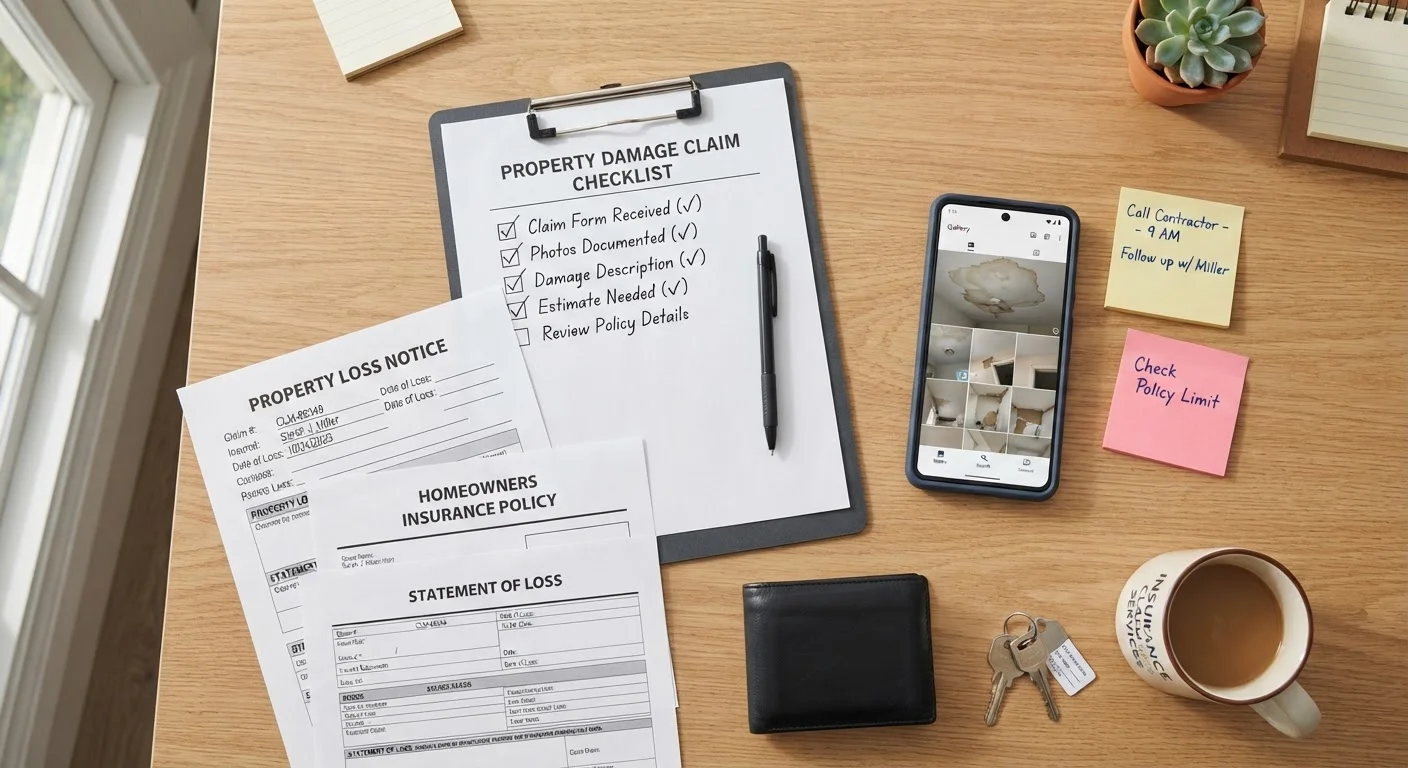
Photo: MoneyOnMind.net | Navigate Money With Clarity editorial
Key Takeaways
- Documenting your property before any incident occurs gives you a baseline that's nearly impossible to dispute.
- Timestamped photos and written notes captured immediately after an incident carry far more weight than memory alone.
- Every insurer communication - calls, emails, letters - should be logged with dates, names, and reference numbers.
- Missing or incomplete documentation is one of the most common reasons claims are delayed or reduced.
- Your policy document itself is a critical piece of evidence; know where it is and what it says before you need it.
Why Documentation Is the Foundation of Any Claim
When you file an insurance claim, you're essentially making a case: something happened, it caused a specific loss, and your policy covers it. Documentation is your evidence. Without it, even a legitimate claim can stall, get reduced, or be denied - not because the loss didn't happen, but because it can't be substantiated.
This is general educational information, not personalised legal or insurance advice. Coverage determinations always depend on your specific policy terms, your provider's requirements, and your jurisdiction. Consult a licensed insurance agent or adviser about your individual situation.
This checklist is designed around three phases: before an incident occurs (preparation), during and immediately after an incident (real-time capture), and the claims process itself (ongoing record-keeping). Each phase has distinct documentation needs. Skipping the first phase is the most common - and most preventable - mistake policyholders make.
For a broader overview of the process, see the Complete Guide to Navigating an Insurance Claim, which covers filing, tracking, and settling claims across property, auto, and renters policies.
Before Any Incident - Build Your Baseline
During and Immediately After an Incident
During the Claims Process - Ongoing Record-Keeping
What Tools Help You Document Effectively
You don't need specialised software to build a solid documentation record. But using the right tools consistently - before something goes wrong - removes the stress of scrambling after the fact.
Smartphone camera
Captures timestamped photos and videos of property and damage - your primary documentation tool at every stage.
Cloud storage service
Backs up your home inventory, policy documents, and damage photos off-site so they survive the same event that caused your loss.
Dedicated email folder or folder structure
Organises all insurer correspondence, submitted forms, and claim updates in one searchable location.
Spreadsheet or notebook
Tracks every insurer interaction chronologically, including representative names, call summaries, and reference numbers.
Home inventory app
Streamlines the process of cataloguing possessions with photos, serial numbers, and estimated values before any incident occurs.
Scanner or scanning app
Creates digital copies of paper receipts, repair estimates, and mailed correspondence so originals are backed up.
Once you've gathered your documentation, what you say and how you say it to your insurer also matters. See our guidance on talking to your insurer after a loss to understand how to present your records without inadvertently complicating your claim.
Don't Repair Before the Adjuster Inspects
Recorded Statements Carry Weight
If you're unfamiliar with terms like proof of loss, subrogation, or adjuster, the insurance terms reference guide breaks down the language you'll actually encounter in claims paperwork. And when you're ready to act on your documentation, the step-by-step claims walkthrough guides you through submission correctly the first time.
Finally, the habits that keep claims moving article covers how consistent organisation and proactive communication prevent the delays that frustrate so many first-time claimants.
This article is for general informational and educational purposes only and does not constitute personalised insurance, legal, or financial advice. Coverage terms, exclusions, and claim requirements vary by insurer and by state. Always read your actual policy documents carefully and consult a licensed insurance professional for guidance specific to your situation.
The content on this site is for informational purposes only and is not a substitute for professional advice. Always consult a qualified professional for guidance specific to your situation.