
Habits That Keep Claims Moving Without Delays or Disputes

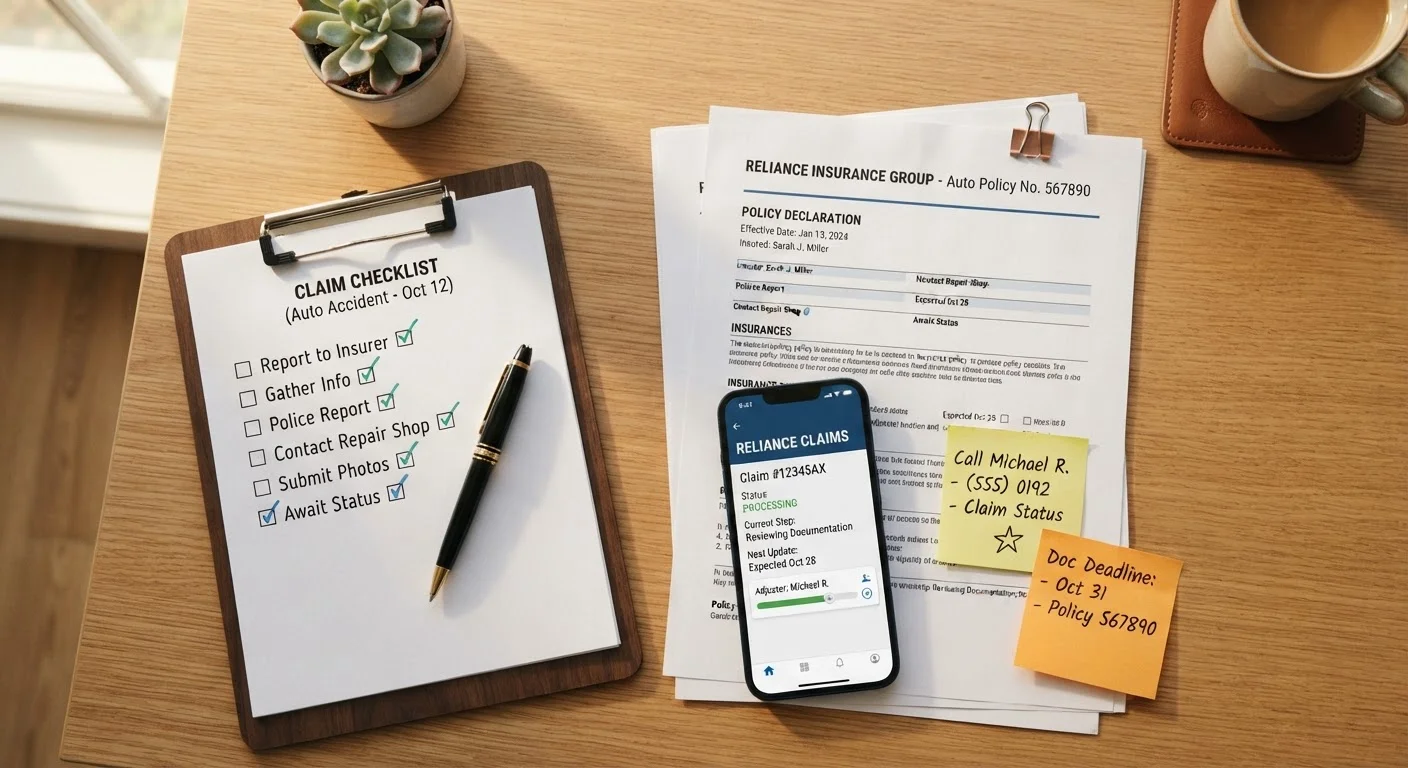
Photo: MoneyOnMind.net | Navigate Money With Clarity editorial
Key Takeaways
- Notifying your insurer promptly after a loss is one of the most effective ways to prevent delays.
- Maintaining organized, timestamped records before an incident makes the claims process significantly smoother.
- Understanding your policy's key terms helps you respond to adjuster questions with confidence.
- Consistent, documented follow-up prevents your claim from stalling in the queue.
- Knowing your rights as a policyholder reduces the risk of an unwarranted denial going unchallenged.
Why Claims Stall - and What You Can Do About It
Most claim delays aren't caused by bad luck or insurer bad faith - they stem from gaps in documentation, missed deadlines, and miscommunication. The good news is that these are largely within your control. Whether you're dealing with a fender bender, a burst pipe, or a stolen laptop, the habits you build before something goes wrong determine how smoothly the process runs afterward.
For a full picture of how the process works from start to finish, see our plain-language breakdown of the claims process. This article focuses on the specific habits that keep that process on track.
Report the loss to your insurer as soon as it is safe and practical to do so
Keep a dedicated digital folder for every claim you open
Follow up on your claim status at regular, documented intervals
Get repair estimates in writing before authorizing any work
Read every piece of correspondence from your insurer carefully and respond promptly
Build Your Documentation Habit Before You Need It
The single biggest differentiator between smooth and contested claims is the quality of records the policyholder can produce. Adjusters need evidence - photos, receipts, serial numbers, dates - and the harder you make it to assemble that evidence, the longer your claim will take.
Our companion guide on what to document before, during, and after an incident goes deeper on this, but the core habit is simple: treat your possessions like a business would. Keep a running home inventory, save digital receipts to a cloud folder, and photograph high-value items with their serial numbers visible.
A Home Inventory Doesn't Have to Be Elaborate
Communicate Strategically - and Always in Writing
What you say to your insurer after a loss can shape your claim's outcome. Reporting promptly matters, but so does how you report. Stick to facts you've verified, avoid speculating about causes or liability, and resist pressure to give a recorded statement before you've had time to review your policy.
Whenever possible, follow up phone conversations with a brief email summarizing what was discussed - this creates a paper trail that protects you if details are disputed later. For more guidance on navigating these conversations, see our article on talking to your insurer after a loss.
Know Your Policy Well Enough to Ask the Right Questions
You don't need to memorize your entire policy - but you should know where to find your deductible, your coverage limits, and the filing deadlines that apply to your type of claim. Many policyholders are surprised to learn that policies include strict timeframes for submitting proof of loss or notifying the insurer of certain events. Missing these windows can jeopardize your claim regardless of its merit.
If the terminology in your policy documents feels opaque, our guide to insurance terms you'll encounter when filing is a useful reference. Understanding words like subrogation, proof of loss, and actual cash value helps you engage with adjusters as an informed participant rather than a passive one.
Your Policy's Timeframes Are Binding
This article provides general information about the insurance claims process and is not a substitute for personalised advice. Coverage terms, exclusions, and claim procedures vary by insurer and policy. Always read your actual policy documents and consult a licensed insurance agent or adviser for guidance specific to your situation.
The content on this site is for informational purposes only and is not a substitute for professional advice. Always consult a qualified professional for guidance specific to your situation.