
Secured vs. Unsecured Credit Cards for Credit Builders

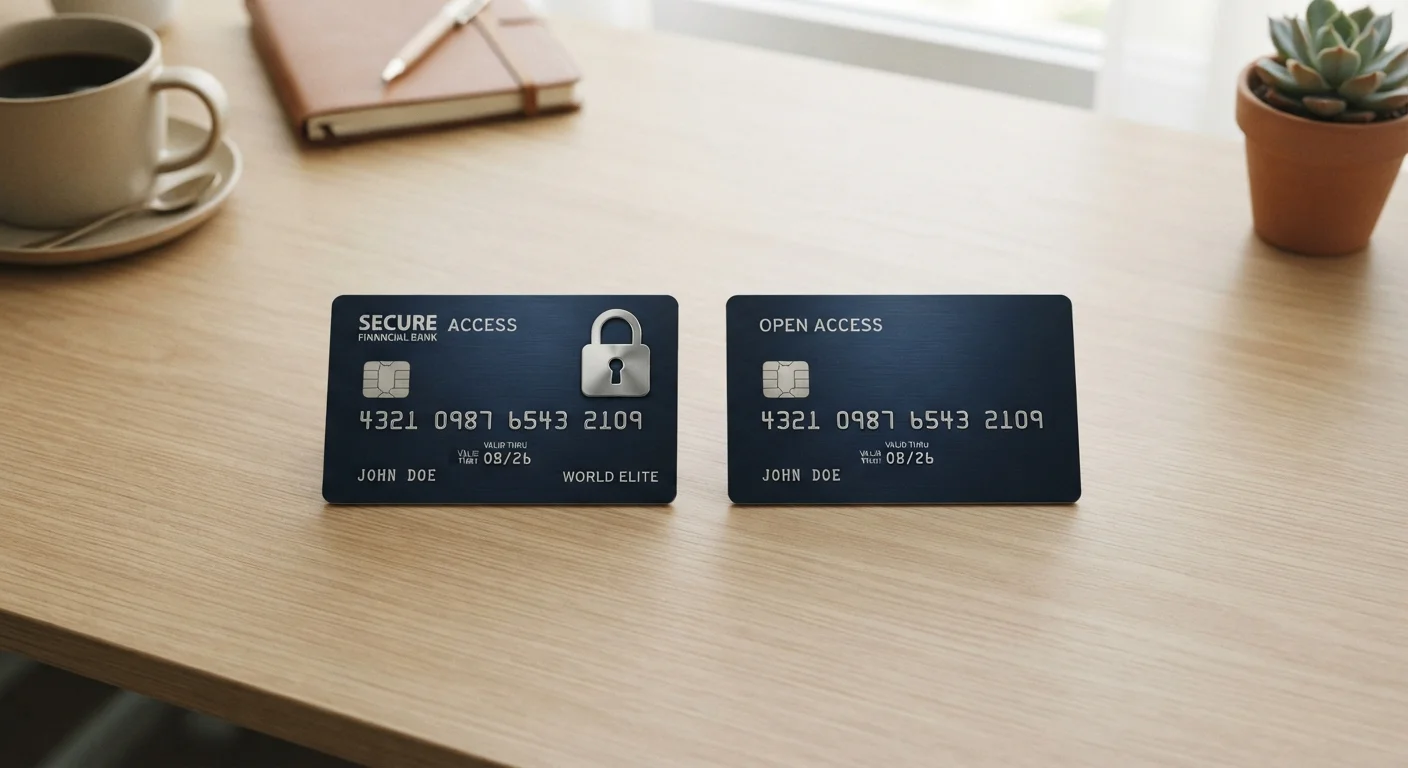
Photo: MoneyOnMind.net | Navigate Money With Clarity editorial
Key Takeaways
- Secured cards require a refundable cash deposit that typically sets your credit limit.
- Unsecured cards don't require a deposit but usually need some existing credit history to qualify.
- Both card types report to the major credit bureaus and can build your credit score when used responsibly.
- Secured cards often carry higher fees and lower limits, but they're more accessible to credit newcomers.
- You can typically graduate from a secured card to an unsecured card after demonstrating responsible use.
How Each Card Type Works
A secured credit card requires you to make a refundable cash deposit - commonly ranging from $200 to $500 - before you can use the card. That deposit acts as collateral and usually equals your credit limit. If you stop making payments, the lender can apply the deposit to cover the balance. Because the lender's risk is minimized, approval is available to people with no credit history or poor credit.
An unsecured credit card works the way most people picture a credit card: no deposit is required. The lender extends a credit limit based on your creditworthiness - your credit score, income, and existing debt. Approval becomes easier as your credit file grows, but a truly thin file (few or no accounts) or low score will likely result in a denial.
Critically, both card types report your payment activity and utilization to the three major credit bureaus - Equifax, Experian, and TransUnion - which is what makes either one useful for building credit from scratch.
| Criterion | Secured Credit Card | Unsecured Credit Card |
|---|---|---|
| Upfront deposit | Required (typically $200-$500) | Not required |
| Approval difficulty | Easier - no/poor credit OK | Harder - credit history needed |
| Credit limit | Usually equals deposit amount | Set by lender based on creditworthiness |
| Typical fees | Annual/monthly fees common | Fewer fees at mid/upper tiers |
| Reports to credit bureaus | Yes | Yes |
| Upgrade path | Can graduate to unsecured | Upgrade to better cards possible |
| Best starting credit profile | No credit or damaged credit | Thin to fair credit file |
The Real Cost Differences
Secured cards are designed for high-risk applicants, so lenders often offset that risk with fees. Annual fees, monthly maintenance fees, and higher APRs (annual percentage rates) are more common on secured cards than on comparable unsecured options. Always review a card's fee schedule carefully before applying - some secured cards have fee structures that eat into a significant portion of your deposit limit, reducing the credit available to you.
Unsecured cards aimed at fair-credit borrowers can also carry elevated APRs, but they typically have fewer flat fees. Cards designed for people with established credit generally offer lower rates and more perks. The takeaway: cost comparisons depend heavily on which tier of card you qualify for, not just the secured-vs-unsecured distinction alone.
Regardless of which card you hold, carrying a balance month to month means paying interest - and at rates that are typically well above those on personal loans. Paying your statement balance in full each month avoids interest entirely and still builds your credit record. This is one of the most consistent pieces of guidance across credit-building myths and facts.
30%
Recommended maximum credit utilization
Credit scoring models generally treat utilization above 30% as a negative signal, according to guidance from major credit bureaus.
35%
Weight of payment history in FICO scores
Payment history is the single largest factor in FICO credit score calculations, making on-time payments the most impactful habit to develop.
12-18 months
Typical secured card review window
Many issuers assess accounts for potential unsecured upgrades after roughly 12 to 18 months of responsible on-time use.
Graduating from Secured to Unsecured
A secured card isn't meant to be permanent. Many card issuers review your account periodically - often after 12 to 18 months of responsible use - and may automatically upgrade you to an unsecured product, returning your deposit. Others require you to apply for a new unsecured card separately.
The behaviors that accelerate graduation are the same ones that build credit in general: pay on time every month, keep your credit utilization (the percentage of your available credit you're using) below 30%, and avoid applying for multiple new accounts at once. Once your score has grown, you'll have a wider range of unsecured options available to you.
If you want to compare a credit card with a completely different credit-building structure, credit builder loans are worth understanding - they serve a similar purpose but work very differently from revolving credit. And if you're selecting your very first card, our guide to using a first credit card responsibly walks through how to avoid common early mistakes.
This Is General Information, Not Personal Advice
The content on this site is for informational purposes only and is not a substitute for professional advice. Always consult a qualified professional for guidance specific to your situation.