
Why the Same Debt Can Appear Multiple Times on Your Credit Report

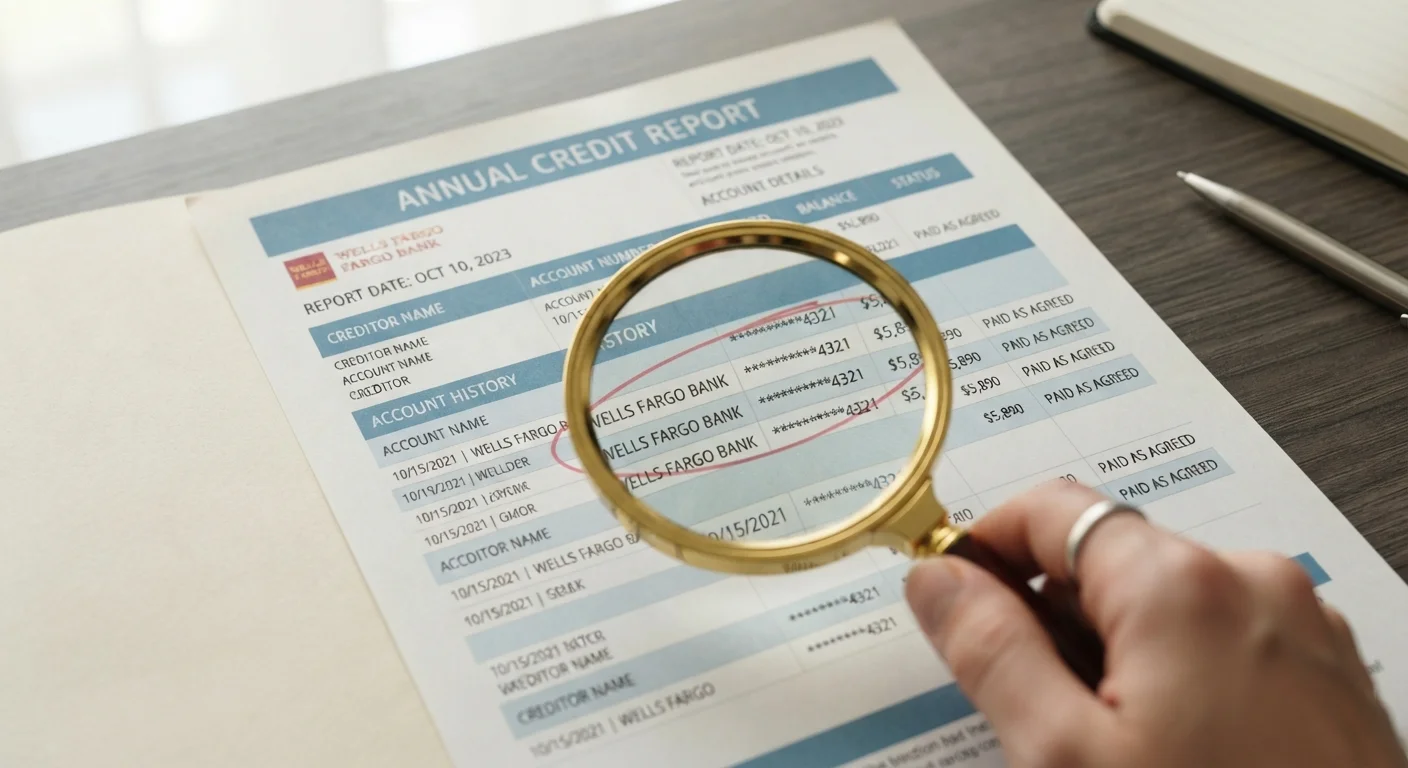
Photo: MoneyOnMind.net | Navigate Money With Clarity editorial
Key Takeaways
- A single unpaid debt can appear twice when sold from an original creditor to a collection agency.
- Not every double entry is an error - some are expected parts of the debt-sale process.
- Re-aging a debt - resetting its reporting clock - is illegal under federal consumer protection law.
- You have the right to dispute inaccurate or duplicated entries with each credit bureau.
- Reviewing all three credit bureau reports regularly helps you catch duplicate entries early.
How One Debt Becomes Two Entries
When you fall behind on a bill, the original creditor - say, a credit card company or medical provider - typically reports the delinquency to the credit bureaus. If the debt goes unpaid long enough, the creditor may sell it to a third-party collection agency. At that point, two separate entities now have a financial interest in the same debt, and both may report it independently.
Under ideal reporting practices, the original creditor marks the account as charged-off and sold, with a zero balance, while the collection agency opens a new tradeline showing the amount owed. The result is two entries on your report - but together they should reflect one debt, not two separate obligations.
The problem arises when both entries show an active or unpaid balance, or when account details don't clearly signal the relationship between them. That's when a normal, expected dual-entry situation starts to look like - and function like - a harmful duplicate. To understand why your report may look different across bureaus, see how each bureau collects data independently.
Re-Aging: When Duplicates Cross Into Illegal Territory
Beyond duplicate entries, a related problem called re-aging can make a debt appear more damaging than it legally should. Re-aging happens when a debt buyer or collector reports a delinquency using a newer date - often the date they purchased the debt - rather than the original date the account first went delinquent.
This matters because the FCRA sets a seven-year reporting window for most negative items, measured from the original date of first delinquency. If that clock is reset each time a debt is sold, an old collection could stay on your report indefinitely - which is exactly what the law prohibits.
“The date of first delinquency is the anchor for the entire seven-year reporting period. Any attempt to move that date forward - whether intentional or a reporting error - directly harms the consumer and is not permitted under federal law.”
— Consumer Financial Protection Bureau, U.S. federal agency overseeing consumer financial protection and credit reporting standards
If you spot a collection account with a delinquency date that seems more recent than you remember, cross-reference it with your original account records. A mismatch is a strong signal of re-aging and warrants a dispute. Learn more about the full timeline in our guide on how long negative items stay on your credit report.
Spotting the Difference: Expected vs. Reportable Entries
Not every double entry is a mistake worth disputing. Here's a practical way to tell the difference:
- Expected: Original creditor shows account as charged-off with a zero or transferred balance; a collection entry shows the same debt with the outstanding amount and the correct original delinquency date.
- Reportable: Both the original creditor and the collector show active, non-zero balances for the same debt - effectively doubling the reported liability.
- Reportable: The collection entry uses a delinquency date that is newer than the original account's first missed payment (re-aging).
- Reportable: A debt you already settled or paid appears with an open balance at a new collector.
Multiple Entries Don't Always Mean an Error
If you're unsure whether an entry is a true error or simply unfamiliar formatting, common misreads on credit reports can help you interpret what you're seeing before you file a dispute.
What to Do If You Find a Problematic Duplicate
Start by pulling your credit reports from all three bureaus - Equifax, Experian, and TransUnion - since a duplicate may appear on one or all three. Federal law entitles you to free reports through AnnualCreditReport.com.
Once you've identified a potentially inaccurate entry, gather supporting documentation: original account statements, debt validation letters, or any written confirmation that a debt was paid or transferred. Then file a dispute with each bureau that shows the error.
Document Everything Before You Dispute
For a step-by-step breakdown of the dispute process and what to document before you begin, see how to dispute errors on your credit report. Note that duplicate entries caused by identity theft require a separate set of steps - signs of identity theft on your credit report covers those warning signals specifically.
This article provides general financial education and is not personalized financial or legal advice. For guidance specific to your situation, consult a qualified financial advisor or consumer law attorney.
Frequently Asked Questions
The content on this site is for informational purposes only and is not a substitute for professional advice. Always consult a qualified professional for guidance specific to your situation.