
Secured vs. Unsecured Debt: How the Difference Shapes Your Risk

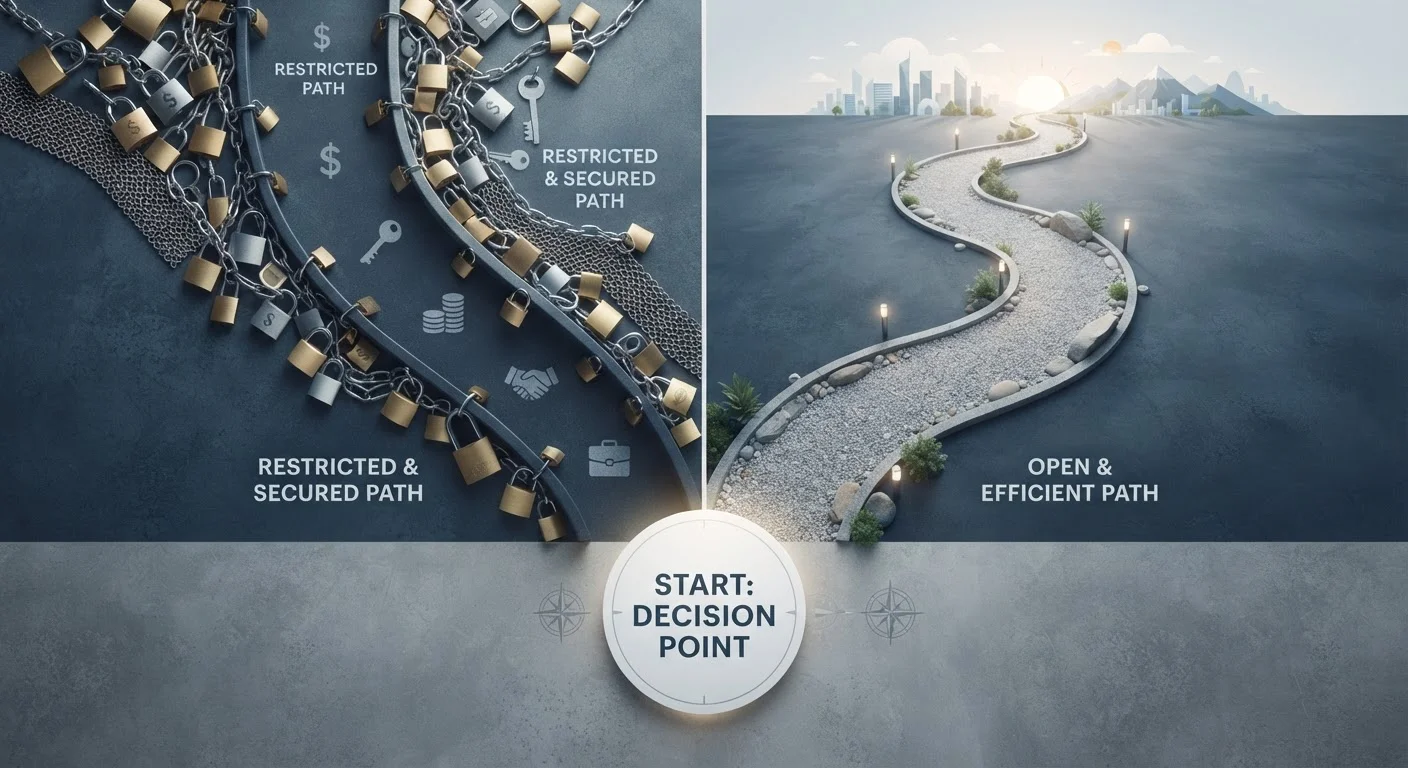
Photo: MoneyOnMind.net | Navigate Money With Clarity editorial
Key Takeaways
- Secured debt requires collateral; failure to repay can result in losing that asset.
- Unsecured debt carries no collateral but typically comes with higher interest rates.
- Missing payments on either type damages your credit score and triggers lender action.
- Lenders can sue over unsecured debt and potentially garnish wages after a court judgment.
- Knowing which debts are secured helps you prioritize repayment during financial hardship.
The Core Distinction: Collateral
Every debt you carry falls into one of two categories: secured or unsecured. The difference comes down to a single concept - collateral, meaning an asset you pledge to the lender as a guarantee of repayment.
With secured debt, the lender holds a legal claim (called a lien) on a specific asset - most commonly your home with a mortgage or your vehicle with an auto loan. If you stop paying, the lender can seize and sell that asset to recover what's owed. This protection for the lender is why secured loans typically come with lower interest rates.
Unsecured debt, by contrast, is extended on the strength of your creditworthiness alone. Credit cards, personal loans, medical bills, and student loans (in most cases) are common examples. There's no asset for the lender to claim directly, which is why interest rates are generally higher - the lender is taking on more risk.
To understand how this plays out specifically with loans, see our breakdown of secured vs. unsecured loans. For a broader view of how loans and borrowing work, the Loan Basics hub is a strong starting point.
| Criterion | Secured Debt | Unsecured Debt |
|---|---|---|
| Collateral required | Yes - lender holds a lien on an asset | No - based on creditworthiness only |
| Typical interest rate | Lower (lender risk is reduced) | Higher (lender risk is greater) |
| Common examples | Mortgage, auto loan, home equity loan | Credit cards, personal loans, medical debt |
| Consequence of default | Asset seizure (foreclosure, repossession) | Collections, credit damage, possible judgment |
| Repayment priority in hardship | High - asset loss is immediate risk | Important, but slightly more time before escalation |
| Access without strong credit | Possible - collateral offsets credit risk | Harder - relies heavily on credit history |
What Happens When You Miss Payments
The type of debt you carry determines how quickly - and how severely - things can escalate when payments stop.
Secured Debt Default
Missing payments on secured debt puts your collateral at immediate risk. With a mortgage, a lender can begin foreclosure proceedings after a series of missed payments, eventually forcing the sale of your home. With an auto loan, repossession can happen quickly - sometimes with little advance warning, depending on your state's laws. In both cases, the lender's path to recovery is relatively direct because they hold a legal claim on something tangible.
Unsecured Debt Default
Defaulting on unsecured debt doesn't trigger an immediate asset seizure, but the consequences are still serious. Lenders will typically charge off the account, sell the debt to a collections agency, and report the delinquency to the credit bureaus - all of which damage your credit score significantly. If the lender pursues legal action and obtains a court judgment, they may be able to garnish your wages or freeze a bank account, depending on state law.
~$17.7T
Total US household debt
According to the Federal Reserve Bank of New York's Household Debt and Credit Report, total US household debt exceeded $17 trillion, with mortgage debt comprising the largest secured share.
3-7 years
Credit report impact of delinquency
Under the Fair Credit Reporting Act (FCRA), most negative items - including missed payments on both secured and unsecured debt - remain on your credit report for up to seven years.
Understanding these escalation paths matters most when cash flow tightens. Prioritizing which obligations to pay first can help protect your most essential assets. Our article on how debt categories affect repayment priorities explores this further.
Interest Rates, Credit Impact, and Borrowing Strategy
Beyond default risk, the secured/unsecured distinction shapes the everyday experience of carrying debt.
Interest Rates
Because secured loans give lenders a recovery mechanism, they generally offer lower APRs. A mortgage might carry a rate well below what you'd pay on an unsecured personal loan for the same dollar amount. That difference compounds significantly over time.
Credit Score Effects
Both debt types are reported to the major credit bureaus - Equifax, Experian, and TransUnion - and both affect your credit score. High utilization on unsecured revolving credit (like credit cards) can hurt your score even without a missed payment. Late payments on either type cause lasting damage.
Using the Distinction Strategically
When you're overwhelmed by multiple obligations, knowing which debts are secured helps you triage. Generally, secured debts - especially a mortgage or auto loan - should be paid first during hardship, because the consequences of default include losing something you rely on. Unsecured debts, while still serious, give you slightly more time before irreversible harm occurs.
If you're weighing how to restructure obligations, review the options covered in our comparison of debt consolidation and debt settlement. For a structured approach to managing what you owe, see what debt management actually involves.
Student Loans: A Special Case
This article provides general financial education and is not personalised financial, legal, or credit advice. Debt laws and lender practices vary by state and individual situation. Consult a licensed financial adviser or attorney before making decisions about debt repayment or restructuring.
The content on this site is for informational purposes only and is not a substitute for professional advice. Always consult a qualified professional for guidance specific to your situation.