
Zero-Based Budgeting vs. the 50/30/20 Rule

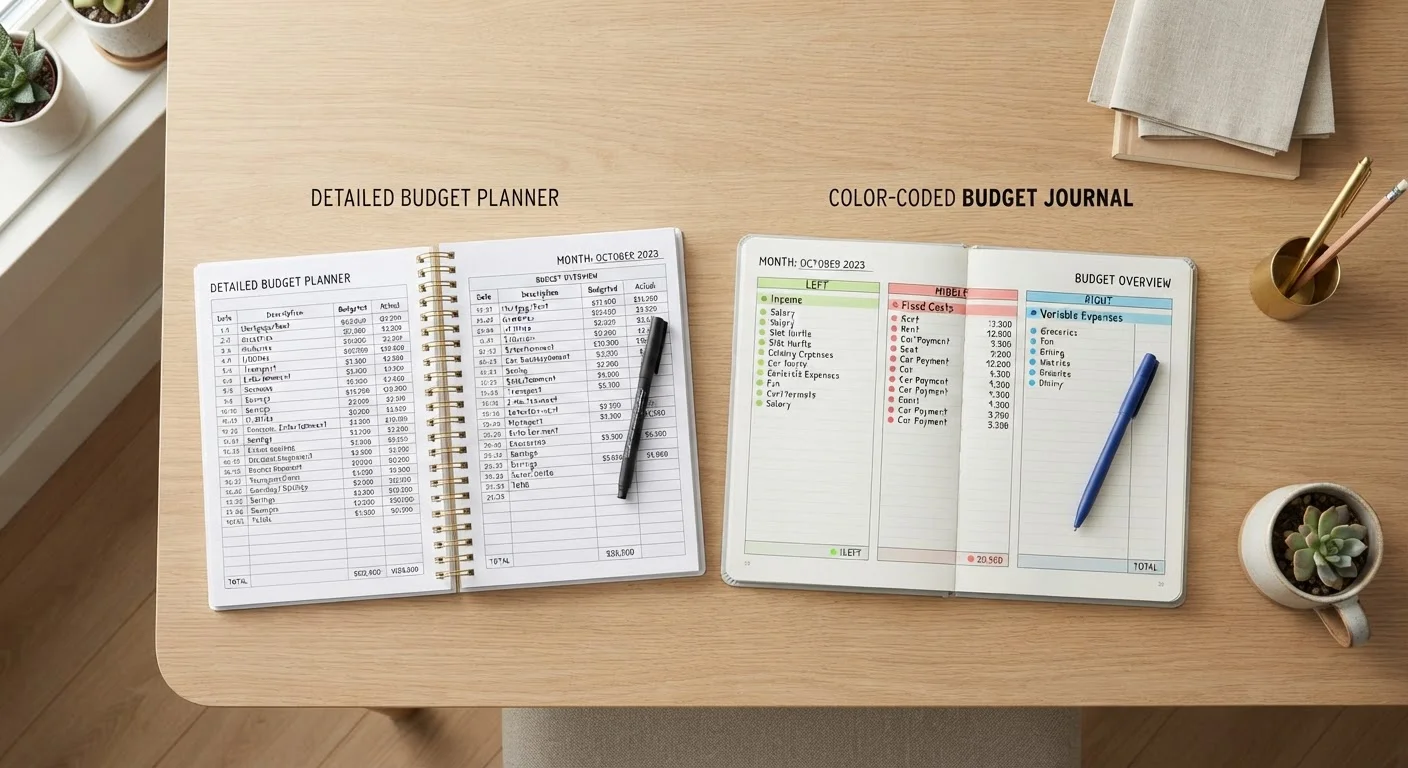
Photo: MoneyOnMind.net | Navigate Money With Clarity editorial
Key Takeaways
- Zero-based budgeting assigns every dollar of income a specific purpose, leaving a balance of zero at month's end.
- The 50/30/20 rule divides take-home pay into three broad buckets: needs, wants, and savings or debt repayment.
- Zero-based budgeting demands more time and attention; the 50/30/20 rule trades precision for simplicity.
- Your income stability, financial goals, and available time are the key factors in choosing between them.
- Both methods outperform having no budget at all - consistency matters more than which framework you pick.
How Each Method Actually Works
Understanding the mechanics of each framework is the first step toward choosing one you'll actually stick with.
Zero-Based Budgeting
With zero-based budgeting, you start each month with your total take-home income and assign every single dollar to a category - rent, groceries, student loan payment, emergency fund contribution - until you reach zero. The goal isn't to spend everything; it's to give every dollar a deliberate purpose, including savings. If $200 is unaccounted for, it gets assigned somewhere intentional rather than quietly disappearing.
The 50/30/20 Rule
The 50/30/20 rule divides your after-tax income into three buckets: 50% toward needs (rent, utilities, groceries, minimum debt payments), 30% toward wants (dining out, subscriptions, entertainment), and 20% toward savings and extra debt repayment. It doesn't prescribe exact line items - it sets guardrails within which you have flexibility.
| Criterion | Zero-Based Budgeting | 50/30/20 Rule |
|---|---|---|
| Core principle | Every dollar assigned a job | Income split into three percentages |
| Setup time | 30-60 min monthly rebuild | One-time calculation, low upkeep |
| Level of detail | Individual line items per category | Three broad buckets |
| Works best with | Variable or irregular income | Stable, predictable salary |
| Debt repayment focus | Highly targeted | Included in the 20% bucket |
| Flexibility | Low - every change requires reallocation | High - wide discretion within buckets |
| Beginner-friendliness | Moderate - learning curve upfront | High - simple to grasp immediately |
Time Investment and Ongoing Effort
One of the starkest differences between these methods is how much time they require each month.
Zero-based budgeting demands that you build a new budget before each month begins, categorize every transaction as it happens, and reconcile your categories regularly. For many people, this means 30 to 60 minutes of setup plus ongoing check-ins. Apps designed for zero-based budgeting can reduce friction, but the discipline required is real. For an honest look at those demands, the trade-offs of zero-based budgeting are worth reviewing before you commit.
The 50/30/20 rule is comparatively low-maintenance. Once you calculate your three target amounts from your paycheck, you simply check in periodically to see whether spending in each bucket is staying on track. A monthly review - like the one outlined in a monthly budget review checklist - is usually sufficient.
74%
Americans living paycheck to paycheck
A 2023 LendingClub report found approximately 74% of U.S. consumers described themselves as living paycheck to paycheck, underscoring the need for structured budgeting habits.
20%
Recommended savings and debt repayment share
The 50/30/20 rule's savings bucket - at 20% of take-home pay - aligns with longstanding general guidance from personal finance educators as a reasonable baseline savings target.
Which Framework Fits Your Financial Situation?
Neither method is universally superior. The right choice depends on your income type, the complexity of your finances, and your personal tolerance for detail.
If you have irregular income - freelance work, hourly shifts, or commission-based pay - zero-based budgeting adapts naturally because you're rebuilding the plan each month based on what you actually earned. The 50/30/20 rule works best when income is predictable, since the percentages are easier to apply consistently.
If your primary financial goal right now is paying down debt, zero-based budgeting's granularity helps you identify and redirect dollars more aggressively. The 50/30/20 rule's 20% savings-and-debt bucket is a useful starting point, but it may feel too broad if you're in serious repayment mode.
It's also worth knowing that budgeting frameworks aren't mutually exclusive or permanent. Many people start with the 50/30/20 rule to build the habit, then shift to zero-based budgeting once they want more precision. You can explore how these and other approaches compare in our overview of budgeting methods worth knowing.
Hybrid Approaches Are Common
This article is for general informational and educational purposes only. It does not constitute personalized financial advice. Please consult a qualified financial professional before making decisions about your own budget or finances.
The content on this site is for informational purposes only and is not a substitute for professional advice. Always consult a qualified professional for guidance specific to your situation.