
Renewable vs. One-Time Scholarships: Planning Your Funding Across Multiple Academic Years

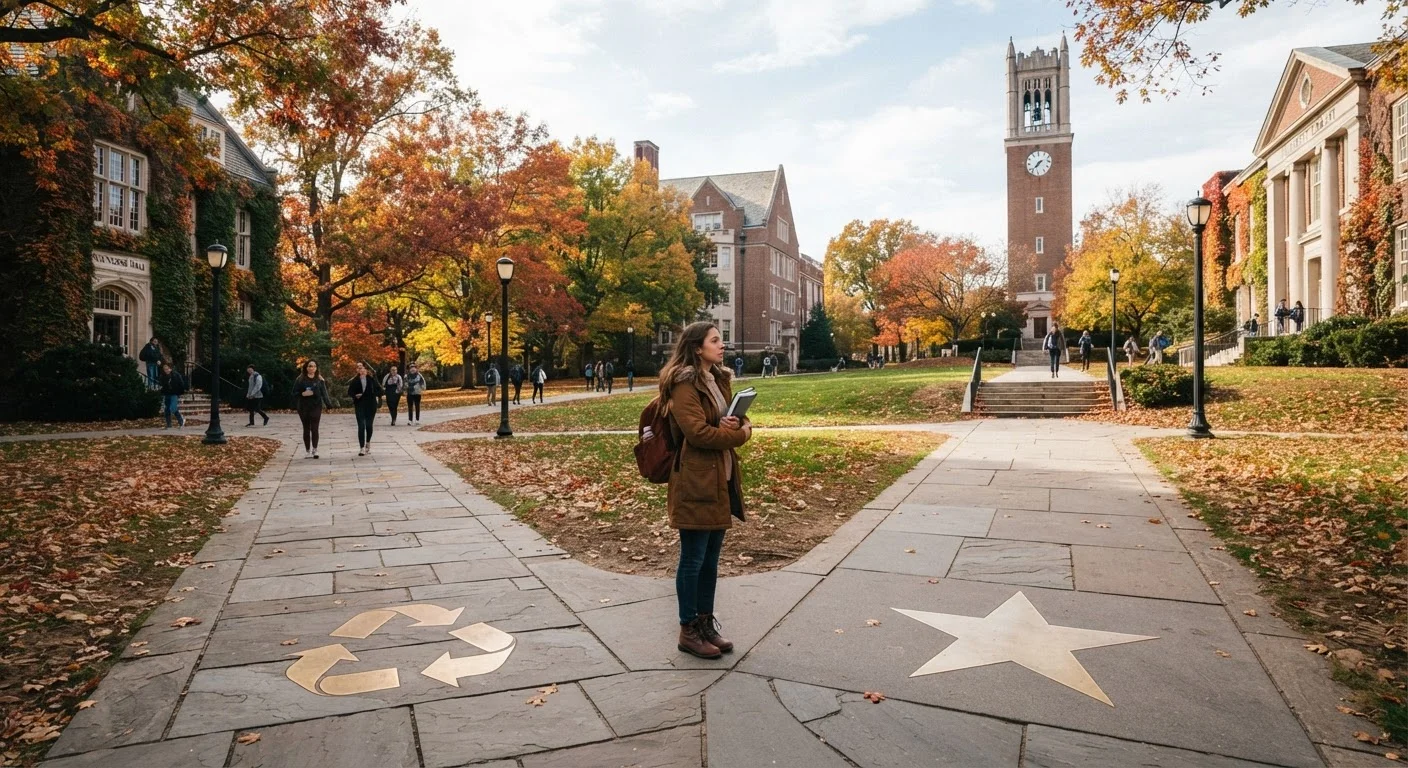
Photo: MoneyOnMind.net | Navigate Money With Clarity editorial
Key Takeaways
- Renewable scholarships provide multi-year funding but typically require maintaining a minimum GPA or enrollment status.
- One-time scholarships are awarded once and require no renewal, making them lower-maintenance but less predictable for long-term planning.
- Losing a renewable scholarship mid-degree can create a sudden funding gap - always have a backup funding plan.
- Combining both scholarship types is a common and effective way to cover multiple academic years.
- Reading the full award terms before accepting any scholarship is essential to avoid unexpected conditions.
What Sets These Two Award Types Apart
Before comparing them side by side, it helps to understand the structural difference. As explained in our Scholarship Glossary, a renewable scholarship is an award that can be disbursed in each academic year for a defined period - typically two to four years - provided the recipient continues to meet specific conditions. A one-time scholarship is disbursed in a single payment cycle, after which the award ends regardless of the recipient's continued eligibility.
The distinction matters because it changes not just how much money you receive, but when and under what conditions - both of which have real consequences for how you plan the rest of your funding. Since scholarships never require repayment, both types reduce your loan burden - but they do so differently over time.
| Criterion | Renewable Scholarships | One-Time Scholarships |
|---|---|---|
| Duration | Multiple years (typically 2-4) | Single academic year or term |
| Renewal conditions | GPA, enrollment status, major | None after initial award |
| Total potential value | Higher if fully maintained | Fixed at award amount |
| Financial predictability | High if conditions are met | Certain but limited to one year |
| Risk of mid-degree loss | Yes - if conditions are not met | No - disbursed once and complete |
| Best suited for | Full-time, multi-year degree students | Any student; especially part-time or non-traditional |
| Application frequency | Annual renewal often required | Apply once; no re-application |
Renewal Conditions: What You Must Maintain
The defining feature of a renewable scholarship is the renewal condition - a set of requirements you must meet each year to keep receiving the award. Common conditions include:
- Minimum GPA - often between 2.5 and 3.5, depending on the program
- Enrollment status - many require full-time enrollment (typically 12+ credit hours per semester)
- Program of study - some awards are field-specific and lapse if you change majors
- Community service or leadership activity - particularly common in private foundation scholarships
Failing to meet a condition can result in probation (a grace period to recover) or immediate loss of the award. If your scholarship is lost mid-degree, the funding gap can be significant - making it critical to understand renewal terms before you accept an award, not after.
Always Request the Full Award Letter
One-time scholarships carry none of these ongoing conditions. Once awarded and disbursed, the relationship between recipient and sponsor typically ends. This simplicity is genuinely valuable for students whose circumstances may shift - for example, those moving to part-time enrollment to manage work commitments, a situation common among the students profiled in our guide to scholarships for working adults and career changers.
Long-Term Financial Planning Implications
From a debt-reduction standpoint, a renewable scholarship that pays $5,000 per year over four years delivers $20,000 in free funding - far outpacing a single $5,000 one-time award. But the renewable award only delivers that full value if you maintain eligibility for all four years. That conditionality is a real financial risk that one-time awards do not carry.
$28,950
Average annual cost of college attendance (2023-24)
According to the College Board's Trends in College Pricing report, this figure covers tuition, fees, room, and board at four-year public institutions for in-state students.
~$37,000
Average federal student loan debt at graduation
The Education Data Initiative estimates that bachelor's degree graduates who borrowed federal loans carried roughly this balance at the time of graduation in recent years.
A practical planning approach is to treat these two types as complementary rather than competing. A renewable institutional scholarship can form the foundation of your multi-year funding, while one-time private awards fill in gaps in specific years. This is essentially the logic behind scholarship stacking - a strategy covered in depth in our guide to combining multiple awards.
It is also worth connecting this to your broader debt picture. Reducing the amount you borrow each year limits the compounding interest you accumulate - an effect that parallels the loan-length dynamics explained in our comparison of short-term vs. long-term loans. Scholarship planning and loan planning are two sides of the same financial equation.
Finally, explore all three scholarship sources - institutional, federal, and private - when building your funding mix, as each operates under different renewal structures. Our overview of the three main scholarship sources breaks down how each category typically handles multi-year awards.
This article is for general informational purposes only and does not constitute personalized financial or educational advice. Scholarship terms, eligibility requirements, and disbursement rules vary widely by program. Always read official award documentation carefully and consult your institution's financial aid office for guidance specific to your situation.
The content on this site is for informational purposes only and is not a substitute for professional advice. Always consult a qualified professional for guidance specific to your situation.